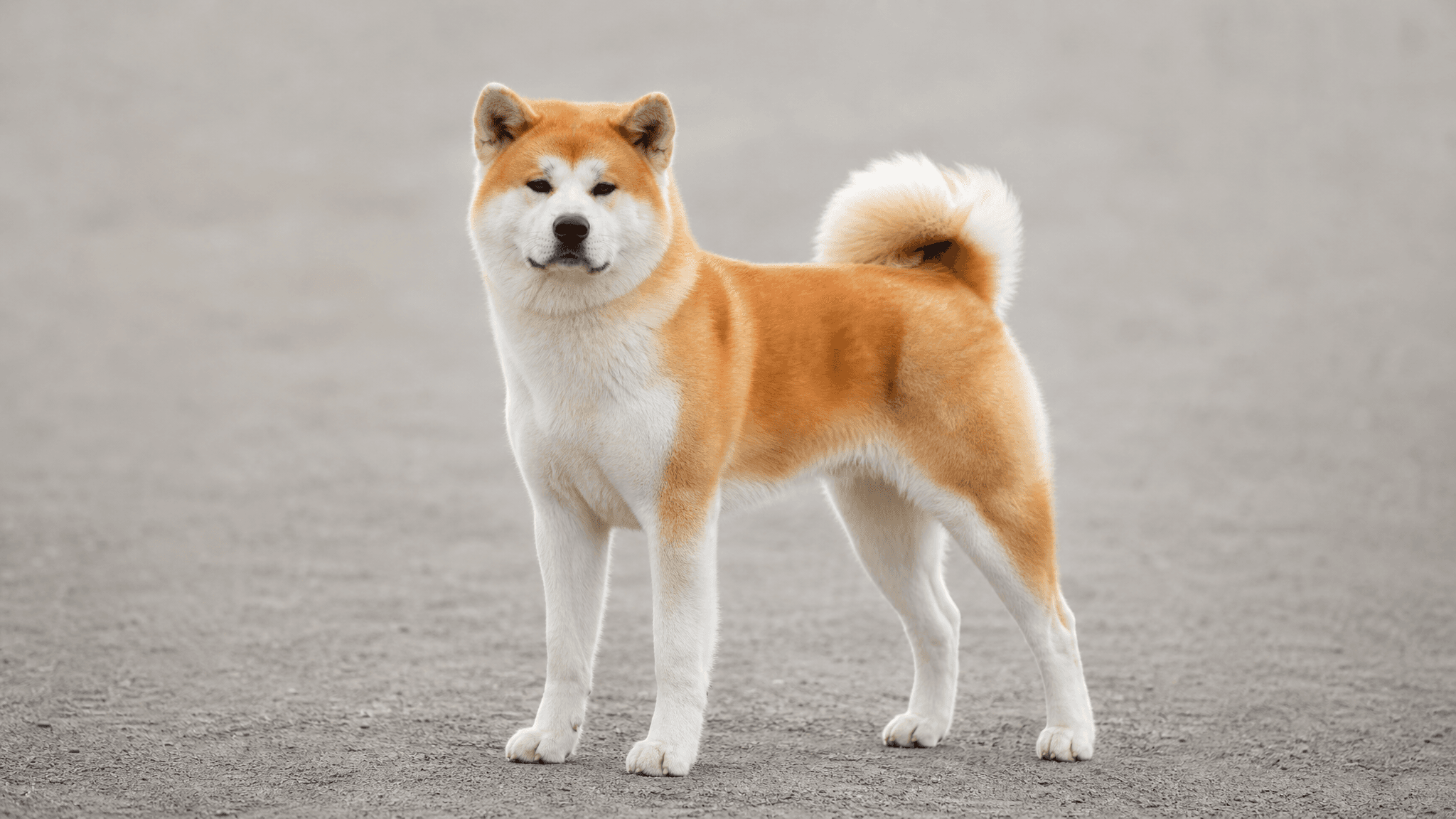
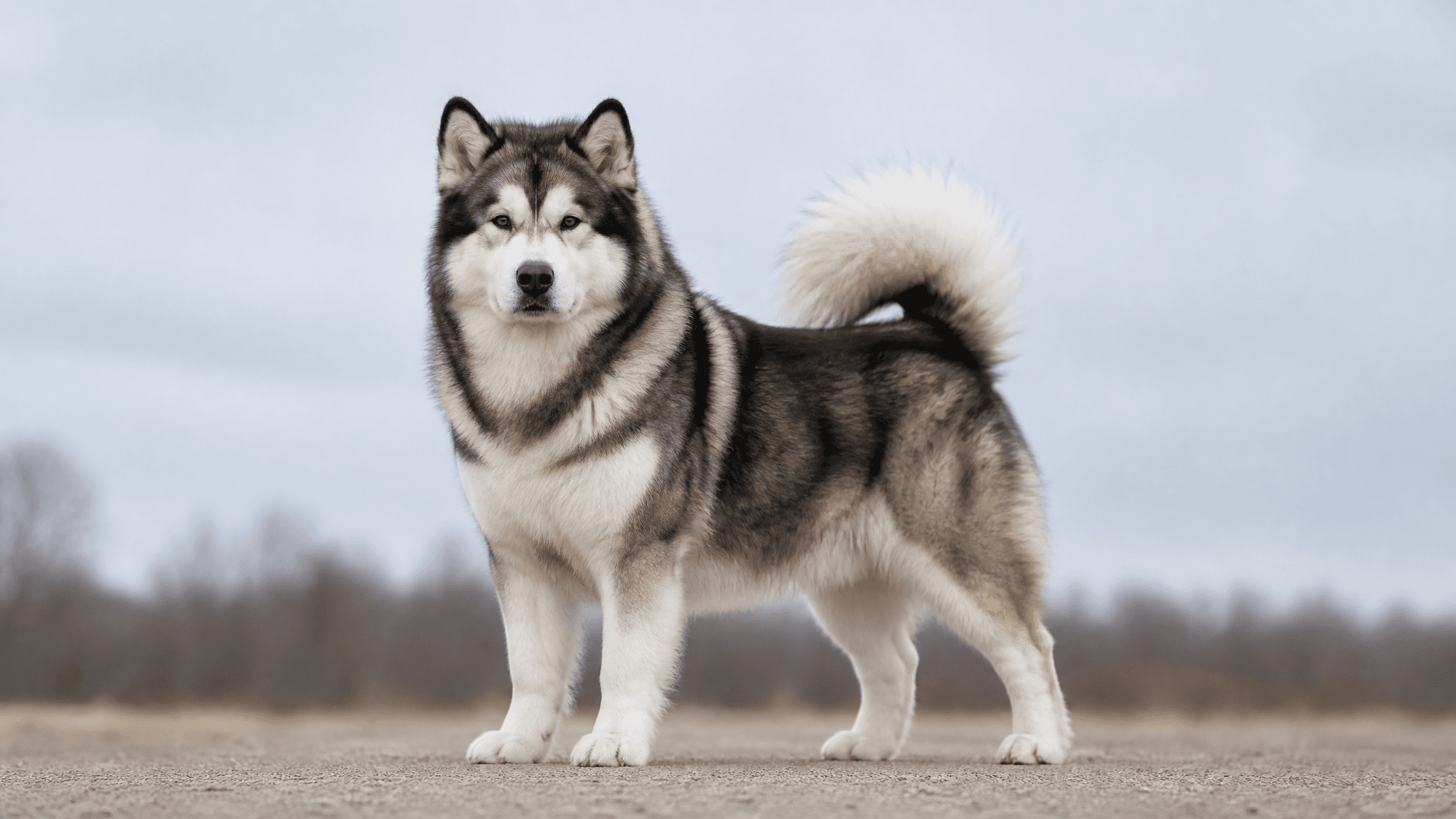
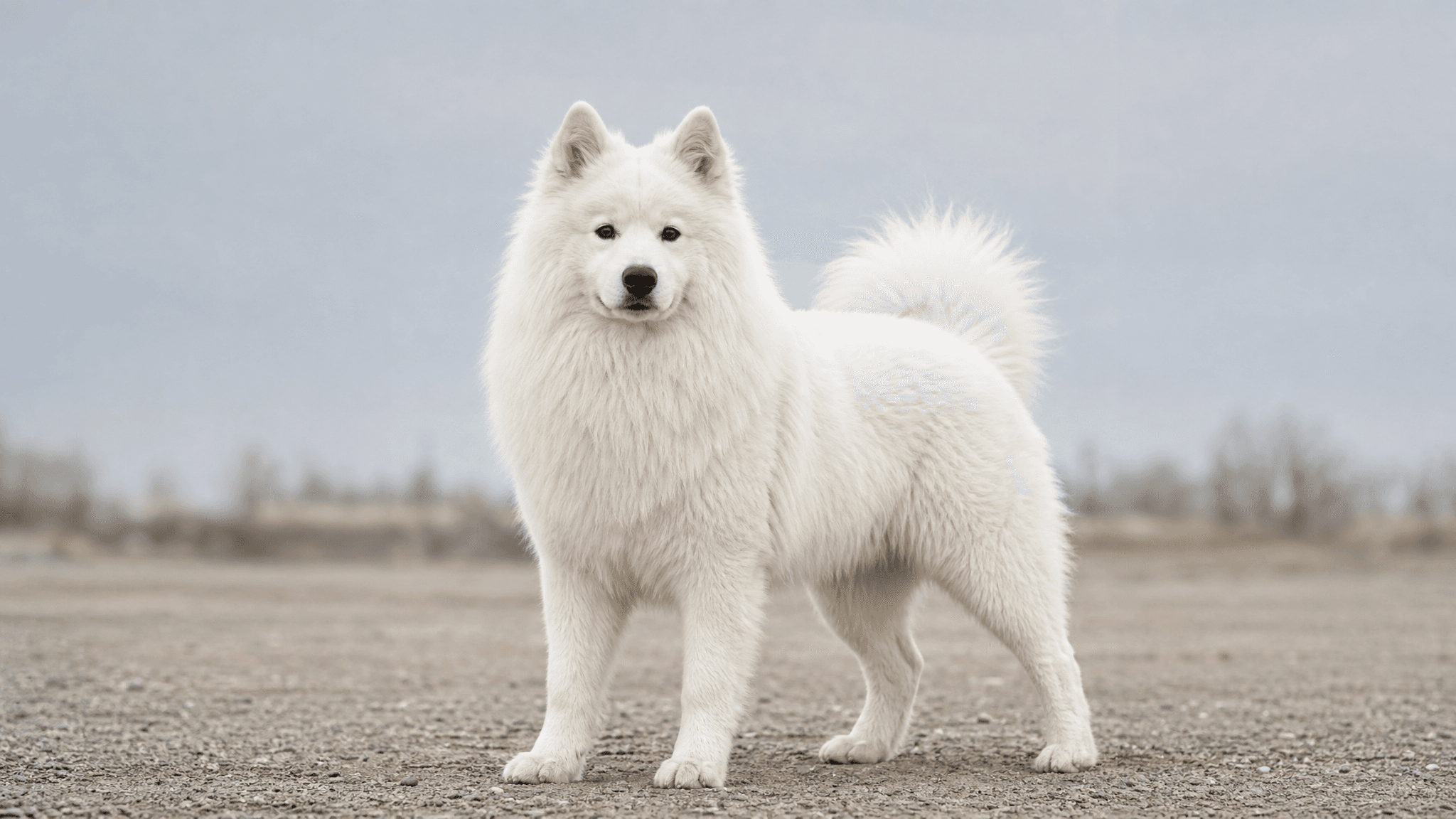
Canadian Eskimo Dog
Summary
The Canadian Eskimo Dog is one of the oldest working dog breeds of the Northern Hemisphere, developed by the Inuit people of the Canadian Arctic over a thousand years ago. Used to pull sleds in extreme conditions and to hunt polar bears and seals, it is a dog of exceptional strength and endurance. The breed nearly disappeared in the 20th century and is now considered vulnerable with reduced population numbers.
Physical Characteristics
- Size
- Large
- Height (male)
- 58–70 cm
- Height (female)
- 50–60 cm
- Weight (male)
- 30–40 kg
- Weight (female)
- 18–30 kg
- Life Expectancy
- 12–15 years
- Coat
- Double and thick; dense and hard outer coat of 8–15 cm; males have a pronounced mane on the neck
- Common Colors
- All colors and patterns, including solid white with pigmentation on eyes and lips; no merle
Temperament & Personality
The Canadian Eskimo Dog is a primitive dog with a working animal temperament, not suitable as a conventional domestic pet. With adult family members it is generally friendly and affectionate, but it is a breed very oriented toward the pack and toward work, with intense responses to stimuli. It is courageous and determined, but requires an experienced owner capable of providing clear leadership and meaningful work.
Activity & Exercise
- Energy Level
- Very high
- Recommended Daily Exercise
- 120–180 minutes
- Suitable for Apartment
- Not recommended
Grooming & Care
- Grooming Needs
- High
- Shedding
- Heavy
Health
- Common Health Issues
- Arthritis in old age
- Cataracts
- Generally robust breed due to natural selection
- Hip dysplasia
- Recommended Health Tests
- Eye examination
- Hip evaluation
Compatibility
- With Children
- Moderate
- With Other Dogs
- Can be difficult
- With Cats
- Not recommended
- For First-Time Owners
- Not recommended
Is a Canadian Eskimo Dog right for you?
A Canadian Eskimo Dog may suit you if:
- You are prepared to provide 2 to 3 hours of vigorous exercise daily, along with engaging mental challenges.
- You enjoy an active outdoor lifestyle, perhaps involving sledding, hiking, or other demanding canine sports.
- You appreciate a courageous, determined, and affectionate companion who thrives on having a purpose.
- You are an experienced dog owner committed to consistent, firm, and positive leadership training.
- You are prepared for significant grooming, including regular brushing to manage their heavy shedding and thick double coat.
- You are willing to manage their strong prey drive and vocal nature with patient understanding and consistent boundaries.
Think twice if:
- You expect a dog that is highly biddable and always eager to please, as this breed possesses a strong independent streak.
- You have a routine where your dog would frequently be left alone for long periods, as they thrive on companionship and purpose.
- You have young children or other small pets, as their strong prey drive and pack dynamics may not be a good fit.
- You are unwilling to commit to 2 to 3 hours of daily vigorous activity and frequent grooming for their demanding coat.
- You live in an apartment or do not have a securely fenced outdoor space suitable for a large, energetic working dog.
- You are not prepared for the challenges of handling a powerful, determined dog through their energetic adolescent phase.
Living with a Canadian Eskimo Dog is a profound commitment to a piece of living history. They offer immense loyalty and affection to their dedicated families, but they are not for the faint of heart or the inexperienced. Their ancient working spirit means they thrive when given a job and a clear leader, demanding an owner who truly understands and respects their unique, primitive nature. This journey is incredibly rewarding for the right person.
Training a Canadian Eskimo Dog
The Canadian Eskimo Dog is a highly intelligent and independent working breed, meaning they learn best with clear, consistent leadership and engaging, varied training sessions. Their strong pack orientation and intense responses to stimuli make positive reinforcement, especially with high-value rewards like praise, play, or special treats, incredibly effective. Keep sessions short, fun, and frequent to maintain their focus and prevent boredom. If training is inconsistent, lacks clear direction, or doesn't tap into their natural drive for work, these dogs can quickly become frustrated or develop their own, less desirable, ways of problem-solving. An experienced owner is key to channeling their determination.
Begin with:
- Attention and response to name around distractions
- Recall on a long line
- Loose-leash walking
- Leave it and drop it
- Calm greetings without jumping
- Settling on a mat or bed
- Cooperative handling for grooming, ears, feet and teeth
- Waiting at doors and gates
Recall and prey drive
The Canadian Eskimo Dog's history of hunting polar bears and seals means they possess an incredibly strong prey drive, making recall a significant challenge, especially off-leash. Even the most well-trained dog can struggle to ignore a squirrel or a scent when their instincts kick in.
Start recall training in a secure, distraction-free environment, gradually introducing distractions. Always use a long line in unfenced areas to ensure safety while practicing. Make yourself the most exciting thing around, using high-value treats and enthusiastic praise. Remember, consistency is vital, and for a breed with such a powerful drive, a reliable recall could literally save their life. For more tips, check out this guide on teaching recall.
Leash pulling strength
As a large breed with exceptional strength and endurance, designed to pull sleds, the Canadian Eskimo Dog can easily pull an unprepared owner off their feet. Loose-leash walking isn't just about manners; it's about safety for both of you.
Start training early and consistently with positive reinforcement. Use a front-clip harness or head halter for better control, and reward every moment your dog walks nicely beside you. Make walks engaging, allowing for sniff breaks, but always reinforce the desired leash behavior. For detailed guidance, our guide on stopping leash pulling can be very helpful.
Boredom and destruction
With a very high energy level and a need for 120-180 minutes of daily exercise, a Canadian Eskimo Dog that is under-exercised, under-stimulated, or left alone too long will find their own "work" to do – often involving chewing, digging, or excessive vocalization. They are not recommended for apartment living precisely because of these needs.
Prevent this by ensuring they receive ample physical exercise and mental stimulation every single day. Incorporate puzzle toys, training sessions, and interactive play. Consider dog sports like sledding, canicross, or weight pulling to fulfill their innate drives. A tired Eskie is a happy, well-behaved Eskie!
Canadian Eskimo Dog — Frequently Asked Questions
What is the Canadian Eskimo Dog?
The Canadian Eskimo Dog, often called a "Qimmiq" by the Inuit, is a magnificent and ancient breed originating from Canada. As a large, powerful dog belonging to FCI Group 5 (Nordic Sledge Dogs), they are renowned for their exceptional strength, endurance, and very high energy levels. Developed by the Inuit people over a thousand years ago, these dogs are true survivors of the Arctic, embodying a primitive beauty and a deep connection to their working heritage. They are a testament to natural selection, built for the most extreme conditions.
What was the Canadian Eskimo Dog originally bred for?
The Canadian Eskimo Dog's history is deeply intertwined with the Inuit people of the Canadian Arctic. For over a thousand years, these incredible dogs were indispensable working partners, primarily bred to pull sleds across vast, frozen landscapes in extreme conditions. Their strength and endurance were also vital for hunting polar bears and seals, playing a crucial role in the survival of their human companions. They are truly one of the oldest working dog breeds of the Northern Hemisphere, a living legacy of Arctic exploration and survival.
How much exercise does a Canadian Eskimo Dog need?
Given their very high energy level and history as dedicated working dogs, Canadian Eskimo Dogs require a significant amount of exercise to stay happy and healthy. We recommend providing them with a robust 120 to 180 minutes of vigorous activity every single day. This isn't just a suggestion; it's essential for their well-being! Think long walks, runs, or even sledding if you're in the right environment. Keeping them physically and mentally engaged will help channel their natural drive positively.
Is the Canadian Eskimo Dog a good family dog?
While generally friendly and affectionate with adult family members, the Canadian Eskimo Dog is a primitive working animal, not typically suited as a conventional domestic pet, especially in a bustling family environment with small children or other pets. They are intensely oriented toward their pack and work, displaying strong responses to stimuli. Their need for clear leadership and their robust nature means they thrive with experienced owners who understand their unique temperament and can provide consistent guidance and appropriate outlets for their energy.
Is the Canadian Eskimo Dog easy to train?
Training a Canadian Eskimo Dog requires an experienced and consistent owner. These dogs are intelligent, courageous, and determined, but they possess a primitive working animal temperament that means they are very oriented toward their pack and work, often with intense responses to stimuli. They thrive under clear leadership and consistent, positive reinforcement. While not "easy" in the conventional sense, an owner who understands their drive and provides structured training will find them capable and eager to work alongside them, building a strong bond.
What health issues are common in the Canadian Eskimo Dog?
The Canadian Eskimo Dog is generally a robust breed, a testament to their natural selection in harsh environments. However, like many breeds, they can be prone to certain health conditions. Owners should be aware of potential issues such as hip dysplasia, which can affect their joints, and cataracts, which can impact their vision. As they reach their golden years, arthritis can also become a concern. Regular veterinary check-ups and a healthy lifestyle are key to helping your Canadian Eskimo Dog live a long and happy life.
What is the Canadian Eskimo Dog's coat like and how much grooming does it need?
The Canadian Eskimo Dog boasts a magnificent, dense double coat perfectly suited for the extreme Arctic conditions they were bred to endure. This thick insulation consists of a soft, dense undercoat and a longer, coarser outer coat. While beautiful, this coat does require regular grooming to keep it healthy and free of mats. Expect moderate to heavy shedding, especially seasonally, so weekly brushing, and even daily during shedding periods, will be essential to manage their fur and maintain their skin health.
What is the typical lifespan of a Canadian Eskimo Dog?
With proper care, nutrition, and a loving environment, the magnificent Canadian Eskimo Dog typically enjoys a lifespan of 12 to 15 years. Providing them with consistent exercise, a balanced diet, regular veterinary check-ups, and plenty of mental stimulation will contribute greatly to their overall health and longevity. These robust dogs are built for endurance, and with your dedication, they can be a cherished companion for many wonderful years.
Community
Talk to real Canadian Eskimo Dog owners
This guide covers the breed on paper. In the app, the Canadian Eskimo Dog community covers it in real life: photos from other owners, questions answered by people who live with the breed, and a directory of dogs you can browse.
- Photos & pollsSee what Canadian Eskimo Dog owners are sharing today.
- Questions & answersAsk anything and hear from people who own one.
- Dog directoryBrowse Canadian Eskimo Dogs from around the world.
You join automatically when you add a Canadian Eskimo Dog to your profile.