Broholmer
Summary
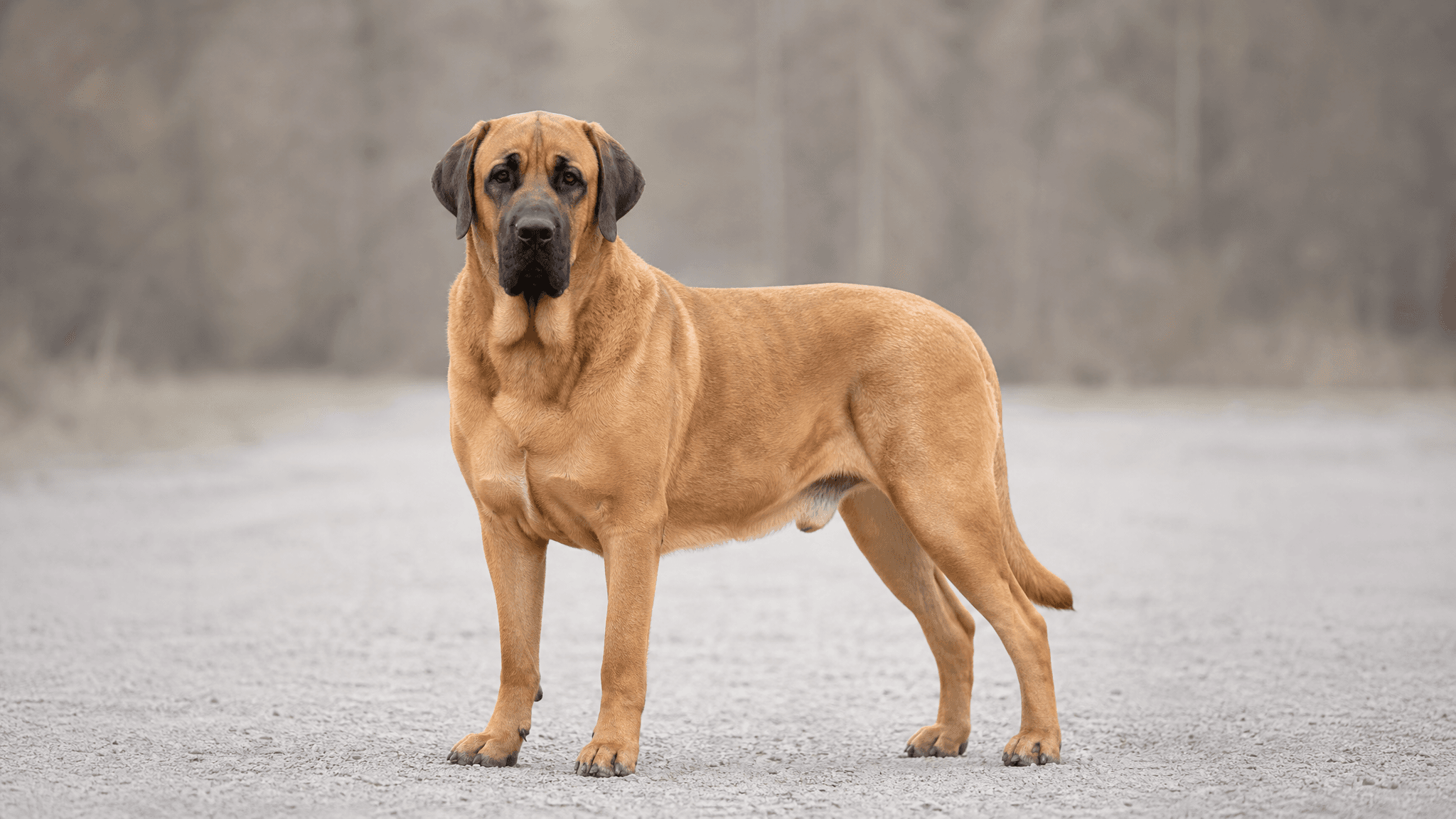
The Broholmer, also known as the Danish Mastiff, is an ancient Danish breed used for wild boar hunting in the Middle Ages and later as a guard dog for large estates. Its name honours Count Sehested of Broholm, who standardised the breed's breeding in the 18th century. Nearly extinct after World War II, it was recovered from the 1970s onward and is now recognised by the FCI.
Physical Characteristics
- Size
- Large
- Height (male)
- 75 cm
- Height (female)
- 70 cm
- Weight (male)
- 50–70 kg
- Weight (female)
- 40–60 kg
- Life Expectancy
- 8–10 years
- Coat
- Short, dense
- Common Colors
- Light yellow to brownish-yellow with black mask; black
Temperament & Personality
The Broholmer is calm, good-tempered, and very friendly with its family. It is serene — it rarely gets agitated without reason — and very patient with children. With strangers, it can be cautious initially, but is not aggressive. Its imposing physical presence and deep bark are sufficient to deter any intruder. It is an excellent family dog for those with sufficient space.
Activity & Exercise
- Energy Level
- Moderate
- Recommended Daily Exercise
- 60–90 minutes
- Suitable for Apartment
- Not recommended
Grooming & Care
- Grooming Needs
- Low
- Shedding
- Moderate
- Bathing Frequency
- Every 6–8 weeks
Health
- Common Health Issues
- Eye problems
- Heart disease
- Hip dysplasia
- Recommended Health Tests
- Cardiac and eye evaluation
- Hip radiography
Compatibility
- With Children
- Excellent
- With Other Dogs
- Good
- With Cats
- Good
- For First-Time Owners
- Acceptable
Is a Broholmer right for you?
A Broholmer may suit you if:
- You can consistently provide 60 to 90 minutes of moderate daily exercise and engaging mental activities.
- You enjoy a calm, serene home environment and appreciate a loyal, watchful companion.
- You are seeking a good-tempered, patient, and very friendly family dog that is excellent with children.
- You are prepared to commit to consistent, positive training to guide a large, powerful breed.
- You are happy with minimal grooming needs, requiring only occasional brushing and bathing every 6 to 8 weeks.
- You are prepared to manage a large dog with an imposing presence and a deep bark, which naturally deters strangers.
- You enjoy having a devoted companion who thrives as part of your family, offering a calm and steady presence.
Think twice if:
- You expect immediate, eager obedience from a dog, as this Mastiff type can be independently minded.
- You have a routine that requires leaving a large, family-oriented dog alone for extended periods daily.
- You are unwilling to supervise interactions between a very large dog and very young children or small pets.
- You are unable to commit to the recommended 60 to 90 minutes of daily exercise or regular coat maintenance.
- You live in an apartment or do not have sufficient space for a large dog weighing 40-70 kg.
- You are not prepared for the physical strength and early socialization required to manage a powerful, growing adolescent.
Living with a Broholmer is a unique blend of serene companionship and significant responsibility. While their calm, friendly nature makes them wonderful family members, their large size and protective instincts demand dedicated space, consistent guidance, and an owner prepared for their imposing presence. This gentle giant offers immense loyalty, but only to those who can truly meet their specific needs.
Training a Broholmer
Your Broholmer is a calm, good-tempered, and intelligent learner, highly motivated by positive reinforcement like praise, treats, and affection from their beloved family. Training sessions should be kept short, fun, and consistent, focusing on building a strong bond and clear communication. Due to their serene nature, harsh corrections or inconsistent handling will not only be ineffective but can also lead to disengagement and confusion. While they rarely get agitated, an uncooperative Broholmer, with their impressive size and strength, can become challenging to manage if not guided with patience and positive leadership from a young age.
Begin with:
- Attention and response to name around distractions
- Recall on a long line
- Loose-leash walking
- Leave it and drop it
- Calm greetings without jumping
- Settling on a mat or bed
- Cooperative handling for grooming, ears, feet and teeth
- Waiting at doors and gates
Guarding Instinct
Broholmers were historically guard dogs, and while they are friendly with their family, they can be cautious with strangers. This natural instinct means they may be inclined to bark at or observe new people and situations. To manage this, focus on early and positive socialization. Introduce your Broholmer to a variety of people, sights, and sounds from a young age, always ensuring these experiences are positive and rewarding. Teach a 'place' or 'settle' command so your dog can calmly relax in a designated spot when visitors arrive, reinforcing that you have the situation under control.
Leash Pulling
With males weighing 50-70 kg and females 40-60 kg, a Broholmer's sheer size and strength can make pulling on the leash a significant challenge, even for an otherwise calm dog. It's crucial to begin loose-leash training the moment you bring your puppy home. Use a comfortable, well-fitting harness, and reward every step your Broholmer takes with a loose leash. Practice in low-distraction environments first, gradually increasing the challenge. Consistency is key, and you might find this guide helpful in establishing good walking habits.
If your adult Broholmer already pulls, consider using a front-clip harness or a head halter as a management tool while you continue to work on positive reinforcement training. Remember, patience and consistency will pay off, ensuring walks are enjoyable for both of you.
Boredom and Restlessness
Despite their serene and calm temperament, Broholmers are large dogs with moderate energy levels, requiring 60-90 minutes of exercise daily. They are not recommended for apartment living, thriving best in homes with sufficient space and companionship. If under-exercised or left alone for extended periods without mental stimulation, even a Broholmer can become restless, bored, and potentially destructive. This isn't out of malice, but simply a dog trying to occupy itself.
Ensure your Broholmer receives their recommended daily exercise, which can include walks, playtime in a secure yard, or engaging in scent work. Incorporate mental enrichment through puzzle toys, regular training sessions, and opportunities to explore new environments. As a dedicated family dog, they thrive on interaction; integrate them into family activities to prevent feelings of isolation and keep their minds and bodies happy.
Broholmer — Frequently Asked Questions
What is the Broholmer?
The Broholmer, often called the Danish Mastiff, is a magnificent and ancient breed originating from Denmark. As a member of FCI Group 2 (Mastiff type), it's known for its impressive size and calm demeanor. These gentle giants are characterized by their serene presence, rarely getting agitated without good reason, and their deep, authoritative bark. They possess an imposing physical presence, yet are wonderfully good-tempered and incredibly friendly with their families, making them truly special companions.
What was the Broholmer originally bred for?
The Broholmer boasts a rich history, originally serving as a formidable wild boar hunting dog during the Middle Ages in Denmark. As times changed, their role evolved, and they became highly valued as vigilant guard dogs for large estates, their imposing presence and deep bark being a natural deterrent. The breed's name honors Count Sehested of Broholm, who played a crucial role in standardizing their breeding in the 18th century. After facing near extinction following World War II, dedicated efforts from the 1970s onward successfully brought this wonderful breed back.
How much exercise does a Broholmer need?
Despite their large size, Broholmers have a moderate energy level, meaning they don't require an excessive amount of exercise, but consistent activity is key for their well-being. We recommend providing your Broholmer with 60 to 90 minutes of exercise daily. This could include leisurely walks, playtime in a securely fenced yard, or engaging in other moderate activities. Regular physical activity helps keep them healthy and happy, preventing boredom and maintaining their strong physique. Remember, a well-exercised Broholmer is a contented Broholmer!
Is the Broholmer a good family dog?
Absolutely! The Broholmer truly shines as an exceptional family dog, especially for those with ample space. They are renowned for their calm, good-tempered nature and are incredibly friendly with their families. Their serene disposition means they are rarely agitated and are wonderfully patient with children, making them fantastic companions for little ones. While they might be initially cautious with strangers, they are not aggressive, relying on their imposing presence and deep bark to deter intruders. They truly integrate as a loving and protective member of the household.
Is the Broholmer easy to train?
Training a Broholmer can be a rewarding experience thanks to their wonderful temperament. They are known for being calm, good-tempered, and serene, which contributes significantly to their trainability. While they are intelligent, their patient and steady nature means they respond best to consistent, positive reinforcement methods. Early socialization and training are crucial to help them grow into well-mannered adults. With patience, clear communication, and a loving approach, your Broholmer will be eager to please and learn, becoming a truly well-behaved companion.
What health issues are common in the Broholmer?
Like all breeds, Broholmers can be prone to certain health conditions, and it's important for owners to be aware. Documented health concerns for the breed include eye problems, which can encompass various conditions affecting their vision. Heart disease is another area of concern, so regular veterinary check-ups are vital to monitor cardiac health. Additionally, hip dysplasia, a common orthopedic issue in many large breeds, can affect Broholmers. Responsible breeding practices and regular veterinary care are essential for helping your Broholmer live a long and healthy life.
What is the Broholmer's coat like and how much grooming does it need?
The Broholmer typically sports a short, dense coat that is quite practical and relatively low-maintenance, making grooming a straightforward task. While they don't require elaborate grooming sessions, regular care is still important to keep them looking their best and feeling comfortable. A weekly brush-down will help remove loose hair, distribute natural oils, and keep their coat healthy and shiny. Occasional baths, as needed, will keep them clean. Their minimal grooming needs mean more time for cuddles and adventures with your wonderful companion!
What is the typical lifespan of a Broholmer?
Bringing a Broholmer into your life means welcoming a loyal and loving companion for a good number of years. The typical lifespan for a Broholmer is generally between 8 and 10 years. Providing them with excellent nutrition, regular veterinary care, appropriate exercise, and plenty of love and mental stimulation can help ensure they live a full and happy life within this range. Cherish every moment with these magnificent dogs, as they truly become an integral part of your family.
Community
Talk to real Broholmer owners
This guide covers the breed on paper. In the app, the Broholmer community covers it in real life: photos from other owners, questions answered by people who live with the breed, and a directory of dogs you can browse.
- Photos & pollsSee what Broholmer owners are sharing today.
- Questions & answersAsk anything and hear from people who own one.
- Dog directoryBrowse Broholmers from around the world.
You join automatically when you add a Broholmer to your profile.