Australian Kelpie
Summary
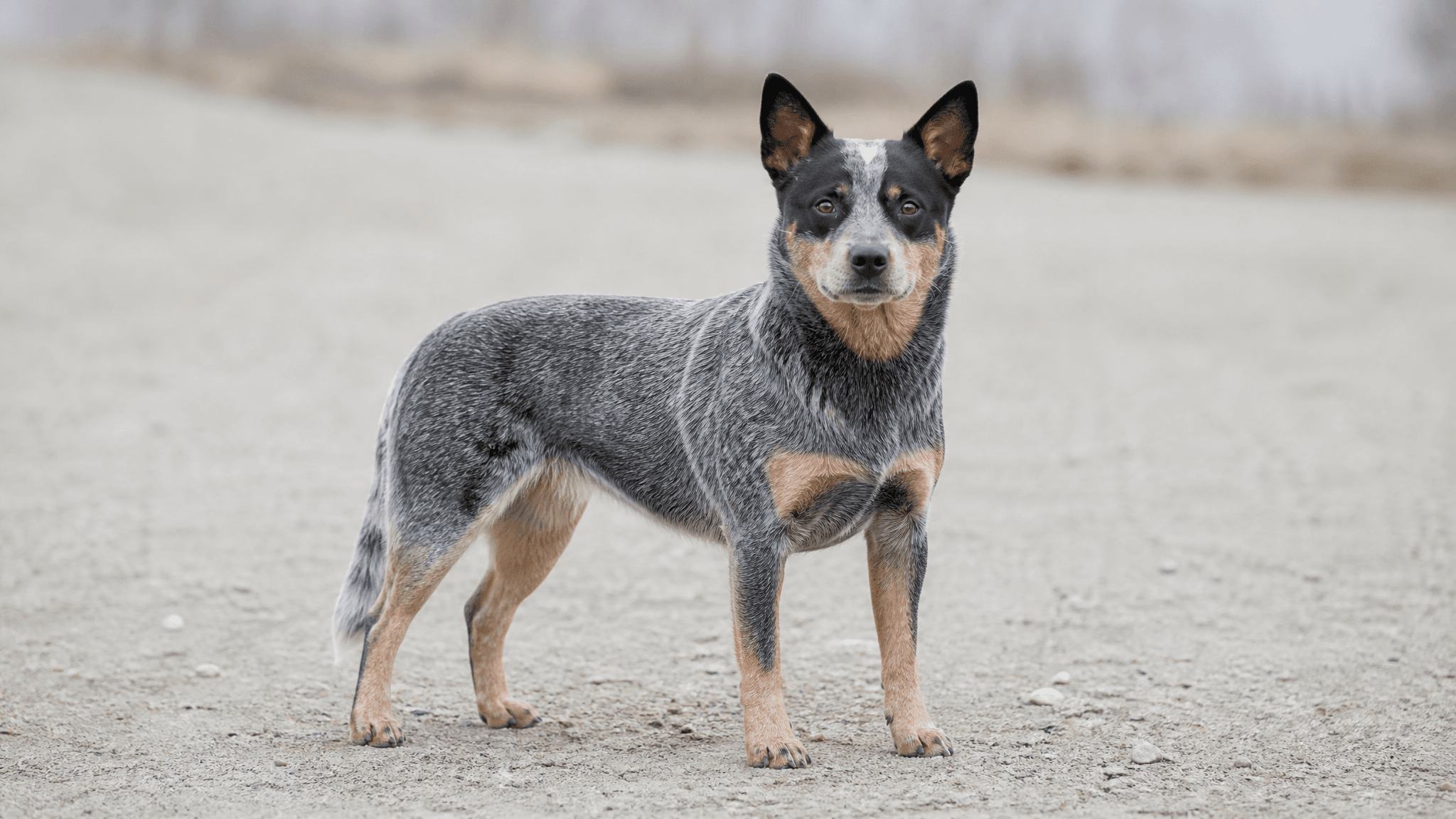
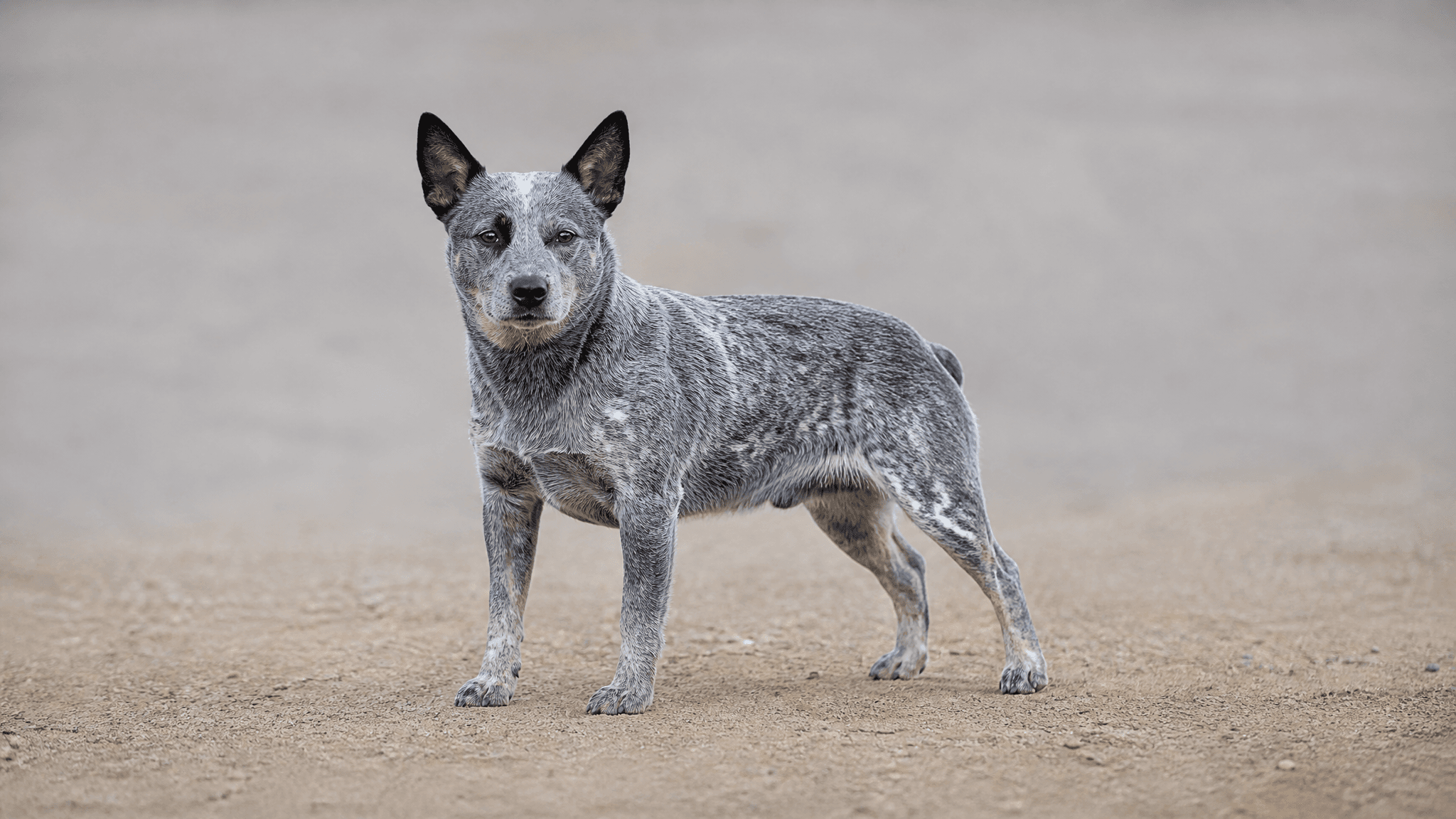
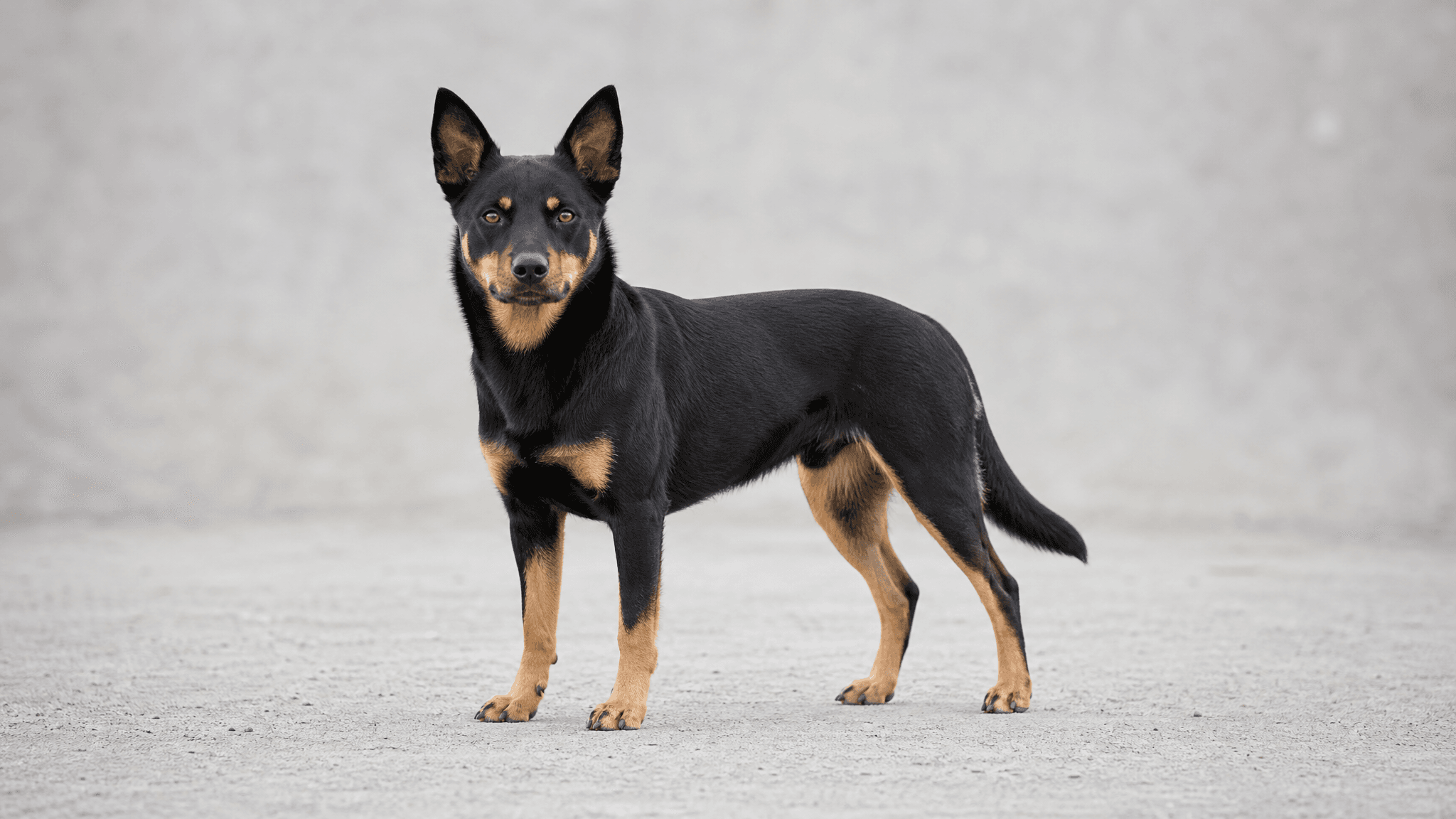
The Australian Kelpie is a living legend of the Australian outback — a herding dog with almost superhuman abilities, capable of driving flocks of thousands of sheep with very little human supervision. Developed in Australia in the late 19th century from Scottish sheepdogs (probably with Dingo contribution), the Kelpie became the quintessential working dog of Australia's vast pastures. It is famous for running over the backs of sheep in the flock to reach the front — a unique technique called "backing".
Physical Characteristics
- Size
- Medium
- Height (male)
- 46–51 cm
- Height (female)
- 43–48 cm
- Weight (male)
- 14–21 kg
- Weight (female)
- 14–19 kg
- Life Expectancy
- 10–13 years
- Coat
- Short to medium, dense, with undercoat
- Common Colors
- Black, black and tan, chocolate, chocolate and tan, red, blue, fawn
Temperament & Personality
The Kelpie is a dog of seemingly unlimited energy, with a working instinct that dominates its entire existence. It is extremely intelligent, quick in decision-making and capable of working completely autonomously. With the family it is affectionate and loyal, but its need for work and movement is enormous — without sufficient activity, it can become destructive or develop obsessive behaviors. It is a breed for truly active people.
Activity & Exercise
- Energy Level
- Very high
- Recommended Daily Exercise
- 120 minutes
- Suitable for Apartment
- Not recommended
Grooming & Care
- Grooming Needs
- Low
- Shedding
- Moderate
- Bathing Frequency
- Every 6–8 weeks
Health
- Common Health Issues
- Hip dysplasia
- Patellar luxation
- Progressive cerebellar atrophy (CA — breed-specific)
- Recommended Health Tests
- Genetic test for cerebellar atrophy
- OFA orthopedic evaluation
Compatibility
- With Children
- Good
- With Other Dogs
- Good
- With Cats
- Moderate
- For First-Time Owners
- Not recommended
Is an Australian Kelpie right for you?
An Australian Kelpie may suit you if:
- You are prepared to dedicate at least 120 minutes daily to vigorous exercise and engaging mental challenges.
- You enjoy an active, outdoor lifestyle and want a loyal companion for adventures or dog sports.
- You appreciate an intelligent, autonomous dog with a strong will and affectionate loyalty to its family.
- You are committed to consistent, stimulating training that channels their sharp mind and independent spirit.
- You are comfortable with moderate shedding but appreciate a low-maintenance coat that needs bathing only every 6-8 weeks.
- You are willing to manage a strong herding instinct, understanding their need to work and move.
Think twice if:
- You expect a dog that will always unquestioningly obey your every command without independent thought.
- You need a dog that can comfortably be left alone for long periods during the day without becoming destructive.
- You already have cats and are not prepared for the moderate challenge of integration with a herding breed.
- You are unable to commit to at least two hours of high-energy exercise every single day.
- You live in an apartment or do not have a securely fenced, spacious outdoor area for them to move.
- You are a first-time dog owner seeking an easy-to-manage breed without significant prior experience.
Living with an Australian Kelpie is a deeply rewarding partnership for the right person. Their boundless energy and sharp intellect demand consistent engagement, but in return, they offer unparalleled loyalty and an affectionate bond. Be ready for an active life, and you'll gain a truly extraordinary companion for 10-13 years.
Training an Australian Kelpie
Kelpies are incredibly intelligent and keen learners, thriving on mental stimulation and purpose. They are highly motivated by praise, play, and opportunities to use their natural working instincts. Training sessions should be short, engaging, and consistent, always ending on a positive note to keep their sharp minds eager for more. If a Kelpie feels bored, confused, or that their handler isn't providing clear direction, they can become frustrated, leading to independent (and often unwanted) decision-making or even destructive behaviours. Their quick wit means they learn both good and bad habits rapidly, so clarity and consistency are key.
Begin with:
- Attention and name response around distractions
- Recall on a long line
- Loose-leash walking
- Leave it and drop it
- Calm greetings without jumping
- Settling on a mat or bed
- Cooperative handling for grooming, ears, feet and teeth
- Waiting at doors and gates
Herding Drive and Focus
Kelpies possess an incredibly strong herding instinct, which means they are naturally inclined to gather and control movement – whether it's sheep, children, or even moving cars. This drive can make recall challenging, especially if something exciting is in motion. To manage this, focus on building a rock-solid recall using high-value rewards in varied environments, starting in low-distraction areas and gradually increasing the challenge. Practice often and make coming back to you the most rewarding thing ever. Consider using a long line for safety during early training to prevent them from acting on their herding impulses. Our guide on recall can help.
Leash Pulling and Strength
Despite being a medium-sized dog, Kelpies have an impressive amount of strength and stamina, especially when they're excited or trying to "herd" you. This can lead to significant pulling on the leash, making walks less enjoyable and potentially unsafe. Start teaching loose-leash walking from day one, using positive reinforcement to reward them for walking calmly by your side. Consistency is vital, as is ensuring they get their recommended 120 minutes of daily exercise to burn off that very high energy before walks. A front-clip harness can also be a helpful tool to manage pulling while you train. This article offers tips to stop leash pulling.
Destructive Boredom
A Kelpie's "unlimited energy" and "enormous need for work and movement" mean that insufficient activity or mental stimulation can quickly lead to problems. Without a proper outlet for their intelligence and drive, Kelpies can become destructive, chewing furniture, digging up the yard, or developing obsessive behaviors. Ensure they receive at least 120 minutes of vigorous exercise daily, combined with plenty of mental challenges like puzzle toys, training sessions, or dog sports. Providing a "job" for your Kelpie, even if it's just fetching specific items or engaging in scent work, can prevent boredom and keep their brilliant minds happily engaged.
Australian Kelpie — Frequently Asked Questions
Are Australian Kelpies good pets for non-working homes?
Australian Kelpies can adapt to non-working homes, but only if their owners are fully committed to meeting their extraordinary energy and mental stimulation needs. They were bred to work all day in the Australian outback — an hour's walk will not satisfy them. Without a job or structured daily challenge, they become frustrated, destructive, and vocal. Active owners who run, cycle, do dog sports, or have livestock they can herd will find Kelpies deeply rewarding companions.
How much exercise does an Australian Kelpie need?
Australian Kelpies need a minimum of 2 hours of vigorous exercise daily — and this is a genuine minimum, not an ideal. They were bred to cover 50+ km per day herding livestock, so their stamina is extraordinary. Running, cycling, swimming, agility, herding, flyball, and frisbee are all excellent outlets. Mental stimulation through scent work, obedience, and trick training is equally vital. A Kelpie that isn't thoroughly tired out daily will find its own (usually problematic) ways to burn energy.
Are Australian Kelpies easy to train?
Australian Kelpies are exceptionally intelligent and highly trainable. They are quick learners who thrive when given a task to master, and they excel at competitive obedience, agility, herding trials, and scent detection. The challenge is keeping them engaged — they bore quickly with repetitive drills. Varied, challenging sessions using positive reinforcement work brilliantly. They pick up bad habits just as quickly as good ones, so consistency from day one is vital.
Do Australian Kelpies make good apartment dogs?
Australian Kelpies are not suited to apartment living. Their need for space, exercise, and mental stimulation is simply incompatible with a confined urban lifestyle. They need room to run, a yard, and an active owner who can provide multiple vigorous activity sessions daily. In an apartment without adequate outlets, a Kelpie will almost certainly develop destructive behaviours, excessive barking, and anxiety. They thrive in rural or semi-rural settings where they have space and purpose.
What health problems are common in Australian Kelpies?
Australian Kelpies are a hardy, healthy breed but have some documented predispositions. Progressive Retinal Atrophy (PRA) — particularly the prcd-PRA variant — can cause gradual vision loss; a DNA test is available. Hip dysplasia occurs in the breed. Cerebellar Abiotrophy (CA) is a neurological condition seen in some Australian Kelpie lines, causing progressive coordination loss — DNA testing is available. Overall, this is a robust working breed with fewer health issues than many companion breeds.
Are Australian Kelpies good with children?
Australian Kelpies can be good with children in active families, but their herding instinct means they may try to nip at the heels of running children or circle them — which can be alarming for small kids. Early socialisation and consistent training to redirect herding behaviour is essential. They do best with older children who understand boundaries. Their energy level is high, so they genuinely enjoy vigorous outdoor play sessions with kids who can match their pace.
How long do Australian Kelpies live?
Australian Kelpies are a long-lived breed with an average lifespan of 12–15 years. Their working dog constitution and lean, athletic build contribute to their robust health. Regular exercise, maintaining a healthy weight, annual vet check-ups, dental care, and proper management of any hereditary conditions (particularly through DNA testing in breeding lines) all support a long, active life. Many Kelpies remain vigorous working dogs well into their senior years.
Do Australian Kelpies bark a lot?
Australian Kelpies can be vocal dogs, particularly when under-stimulated or bored. They bark to alert, to communicate, and sometimes as an expression of excitement or frustration. A Kelpie that is receiving adequate physical and mental exercise is far less likely to bark excessively. Training a "quiet" cue from an early age and ensuring they have enough outlets for their energy significantly reduces nuisance barking. They are not ideal for quiet, noise-sensitive environments without proper management.
Community
Talk to real Australian Kelpie owners
This guide covers the breed on paper. In the app, the Australian Kelpie community covers it in real life: photos from other owners, questions answered by people who live with the breed, and a directory of dogs you can browse.
- Photos & pollsSee what Australian Kelpie owners are sharing today.
- Questions & answersAsk anything and hear from people who own one.
- Dog directoryBrowse Australian Kelpies from around the world.
You join automatically when you add a Australian Kelpie to your profile.