Russian Toy
Summary
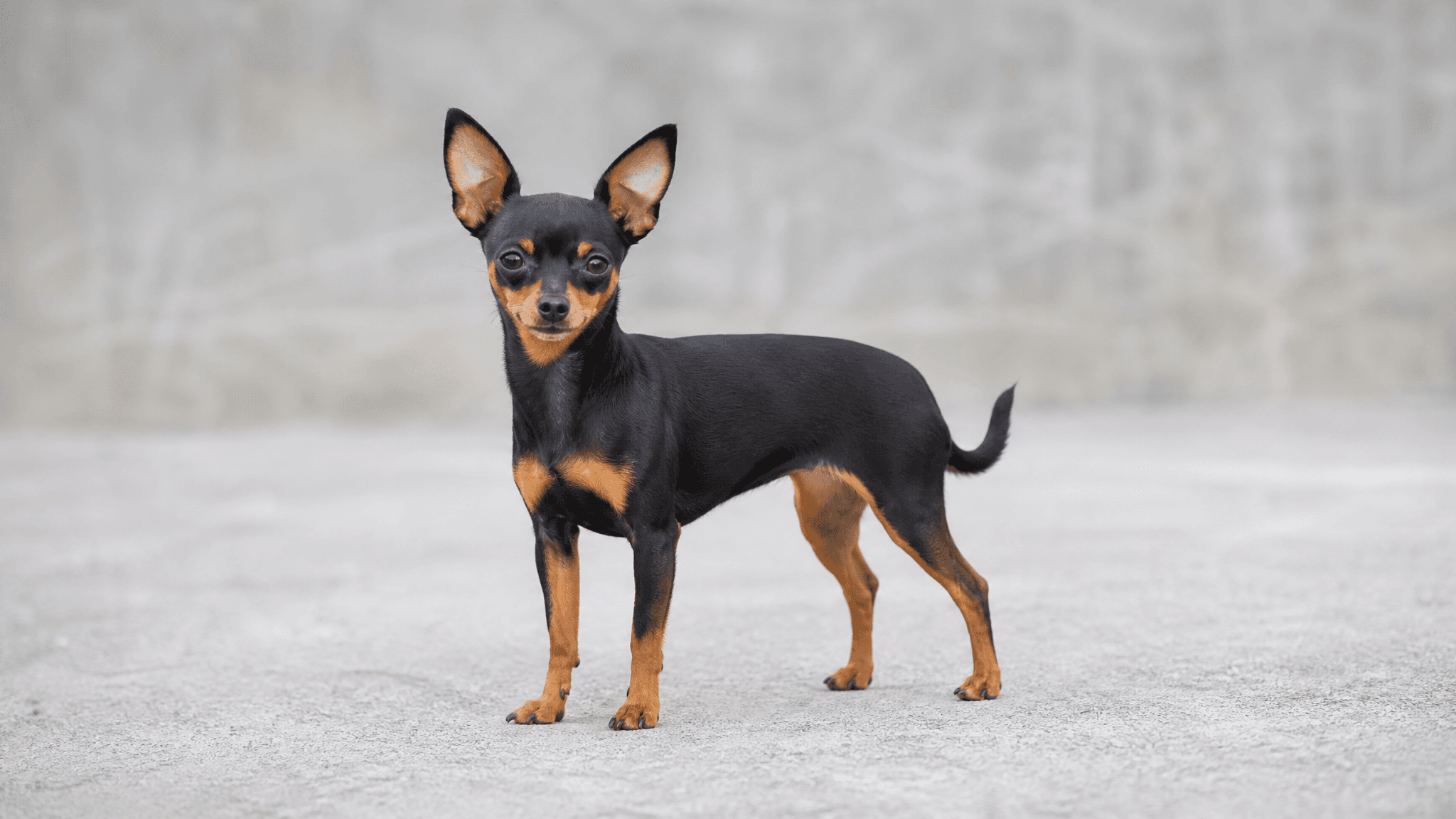
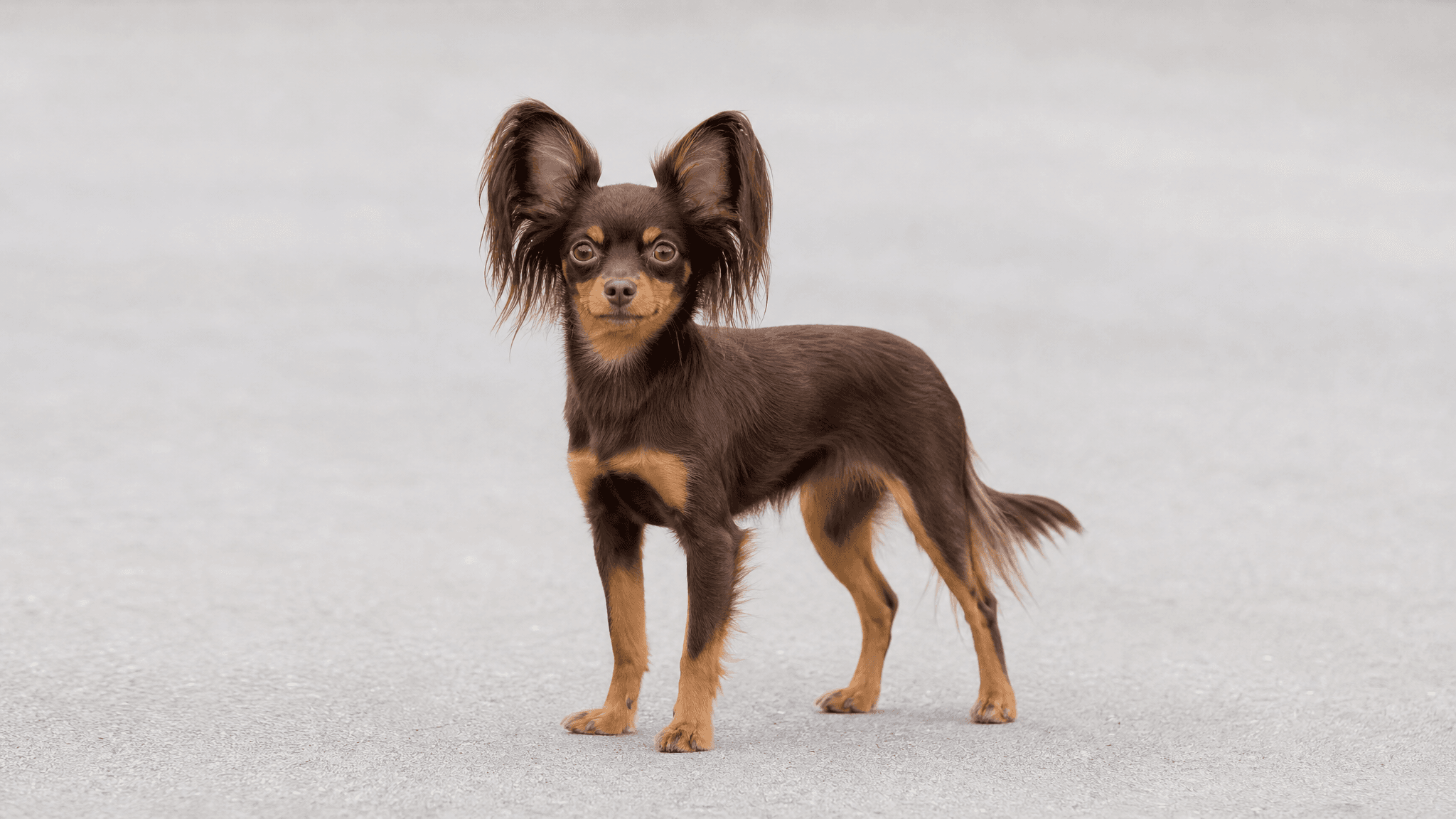
The Russian Toy is an elegant and very small breed, developed in Russia from English Toy Terriers imported in the 18th century for the Russian nobility. During the Soviet era, the breed nearly disappeared behind the Iron Curtain, being reconstituted by Russian breeders based on the few surviving specimens. It exists in two varieties: short and smooth coat (Glatthaar) and long coat with ear fringes (Langhaar). It was recognized by the FCI in 2006.
Physical Characteristics
- Size
- Toy
- Height (male)
- 20–28 cm
- Height (female)
- 20–25 cm
- Weight (male)
- 1.5–3 kg
- Weight (female)
- 1.5–3 kg
- Life Expectancy
- 12–14 years
- Coat
- Two varieties — short and shiny (smooth) or long on the ears, paws, and tail (long-coat)
- Common Colors
- Black and tan, brown and tan, blue and tan, red fawn (lilac is forbidden by the standard)
Temperament & Personality
The Russian Toy is an active, cheerful, and very affectionate dog with its family, combining aristocratic elegance with a lively and fearless personality. It is intelligent and responsive to training, participating successfully in obedience, agility, and rally. It can be reserved with strangers but is never aggressive. Its fragile neck and trachea require the mandatory use of a harness instead of a collar.
Activity & Exercise
- Energy Level
- Moderate to high
- Recommended Daily Exercise
- 30–45 minutes
- Suitable for Apartment
- Yes
Grooming & Care
- Grooming Needs
- Low to moderate
- Shedding
- Seasonal
- Bathing Frequency
- Every 3–4 weeks
Health
- Common Health Issues
- Heart problems (murmurs)
- Legg-Calvé-Perthes disease
- Patellar luxation
- Periodontal disease
- Recommended Health Tests
- Cardiac examination
- Eye examination
- Orthopedic evaluation
Compatibility
- With Children
- Good
- With Other Dogs
- Good
- With Cats
- Good
- For First-Time Owners
- Recommended
Is a Russian Toy right for you?
A Russian Toy may suit you if:
- You can commit to providing 30 to 45 minutes of engaging exercise daily to satisfy their moderate to high energy.
- You enjoy a lively companion who thrives on mental stimulation and could excel in dog sports like agility.
- You are seeking a very affectionate and cheerful dog that forms a strong, devoted bond with its family.
- You are prepared to engage in consistent, positive training, as they are intelligent and responsive learners.
- You are comfortable with low to moderate grooming needs, including regular brushing and bathing every 3 to 4 weeks.
- You understand their fearless personality and willingness to be reserved with strangers, which is a charming trait.
Think twice if:
- You anticipate a dog that will always perfectly obey, overlooking their intelligent yet sometimes independent toy breed nature.
- You plan to leave your dog alone for long stretches daily, as they thrive on constant companionship and interaction.
- You have very young children or boisterous pets unaware of how to gently interact with a delicate dog.
- You are unwilling to commit to 30 to 45 minutes of daily exercise or their low to moderate grooming requirements.
- You prefer using a collar over a harness for walks, despite their fragile neck and delicate trachea.
- You are not prepared for the careful handling a very small and delicate breed requires, especially as a puppy.
The Russian Toy offers boundless affection and a lively, intelligent spirit, making them wonderful family companions. While they are small and delicate, requiring careful handling and a harness for walks, their fearless personality shines through. They thrive on engagement and devotion, rewarding owners with a deep, cheerful bond for their 12-14 years. This breed is a loving, active companion for those prepared to cherish their unique needs.
Training a Russian Toy
Your Russian Toy is a bright, cheerful companion eager to learn! These intelligent little dogs thrive on positive reinforcement, especially when treats and praise are involved. Keep training sessions short, fun, and engaging, perhaps 5-10 minutes a few times a day, to match their moderate to high energy. If training becomes repetitive or harsh, your sensitive Russian Toy may become reserved, lose enthusiasm, or even try to disengage, making progress much slower. Consistency and patience are key to building a strong, trusting bond with your responsive friend.
Begin with:
- Attention and response to name around distractions
- Recall on a long line
- Loose-leash walking
- Leave it and drop it
- Calm greetings without jumping
- Settling on a mat or bed
- Cooperative handling for grooming, ears, feet and teeth
- Waiting at doors and gates
Reserved with strangers
Russian Toys can be a bit reserved with new people, though their temperament ensures they are never aggressive. Early, positive socialization is crucial to help them feel comfortable and confident. Introduce them to a variety of sights, sounds, and friendly people from a young age, always ensuring these experiences are positive and not overwhelming for their small size. Reward calm, curious behaviour.
If your Russian Toy barks at new visitors, teach them to settle on a mat or bed when guests arrive, rewarding them for quiet behaviour. This helps them learn that new people can be a positive experience, rather than something to be wary of.
Delicate neck and trachea
Due to their small size and delicate build, particularly their neck and trachea, it is mandatory to use a harness for your Russian Toy during walks, never a collar. A harness distributes pressure evenly across their chest, preventing potential injury from pulling or sudden movements.
Focus on loose-leash walking from day one. Even a tiny pull on a collar could cause harm. Use positive reinforcement to teach them to walk politely by your side, making walks enjoyable and safe for both of you. You can track your progress with our GPS Walks feature.
Under-stimulation and boredom
Despite their small size, Russian Toys have moderate to high energy and are intelligent, requiring 30-45 minutes of daily exercise and consistent mental stimulation. If they don't get enough, they can become bored, leading to unwanted behaviours like excessive barking or destructive chewing.
Engage their minds with puzzle toys, short training sessions using our training feature, and interactive games. Regular, varied walks also provide crucial mental enrichment. A well-exercised and mentally stimulated Russian Toy is a happy and well-behaved companion.
Russian Toy — Frequently Asked Questions
What is the Russkiy Toy (Russian Toy)?
The Russkiy Toy, also known as the Russian Toy, is an elegant and very small breed hailing from Russia. Developed in the 18th century from English Toy Terriers for the Russian nobility, they belong to FCI Group 9 (Continental Toy Spaniel and others). These delightful companions combine aristocratic elegance with a lively and fearless personality. They come in two charming varieties: a short and smooth coat, or a long coat adorned with beautiful ear fringes, making them truly distinctive. Despite their tiny stature, they possess an active and cheerful spirit, bringing immense joy to their families.
What was the Russkiy Toy (Russian Toy) originally bred for?
The Russkiy Toy was originally bred as a cherished companion for the Russian nobility, tracing its origins back to the 18th century when English Toy Terriers were imported to Russia. These elegant little dogs quickly became favorites among the aristocracy. During the tumultuous Soviet era, the breed faced near extinction, but dedicated Russian breeders painstakingly reconstituted it from the few surviving specimens. Their efforts ensured the continuation of this unique breed, which was eventually recognized by the FCI in 2006, solidifying its place in the dog world as a beloved companion.
How much exercise does a Russkiy Toy (Russian Toy) need?
Despite their small size, Russkiy Toys have a moderate to high energy level and truly enjoy staying active! To keep your little companion happy and healthy, they typically need about 30–45 minutes of exercise each day. This can be easily achieved through a couple of short walks, some playful romps in a secure yard, or engaging indoor games. Remember, mental stimulation is just as important as physical activity for these intelligent pups, so incorporating training sessions or puzzle toys can be a wonderful addition to their daily routine.
Is the Russkiy Toy (Russian Toy) a good family dog?
The Russkiy Toy can indeed be a wonderful family dog, especially with proper introductions and supervision! They are incredibly affectionate with their families, bringing a cheerful and lively presence to any home. While they can be a bit reserved with strangers, they are never aggressive. Due to their very small and delicate size, particularly their fragile neck and trachea, it's essential to supervise interactions with very young children or larger, boisterous pets to ensure their safety. Using a harness instead of a collar is always recommended for their comfort and protection during walks.
Is the Russkiy Toy (Russian Toy) easy to train?
Absolutely! The Russkiy Toy is known for being quite intelligent and remarkably responsive to training, making them a joy to teach. Their cheerful and eager-to-please temperament means they thrive on positive reinforcement and enjoy learning new things. Many Russkiy Toys even excel in various dog sports like obedience, agility, and rally, showcasing their keen minds and athletic abilities. Consistent, gentle training from a young age will help them become well-mannered and confident companions, ready to impress with their cleverness.
What health issues are common in the Russkiy Toy (Russian Toy)?
Like all breeds, Russkiy Toys can be prone to certain health conditions, and being aware of them helps ensure your furry friend stays healthy. Some documented concerns for the breed include heart problems, such as murmurs, which should be monitored by a vet. They can also be susceptible to Legg-Calvé-Perthes disease and patellar luxation, both affecting their joints. Additionally, due to their small mouths, periodontal disease can be a concern, making regular dental care crucial. Responsible breeding and routine veterinary check-ups are key to a long, happy life for your Russkiy Toy.
What is the Russkiy Toy (Russian Toy)'s coat like and how much grooming does it need?
The Russkiy Toy comes in two lovely coat varieties, each with its own charm! You might meet a smooth-coated Russkiy Toy, often called Glatthaar, which has a short, sleek, and easy-to-maintain coat. Then there's the long-coated variety, or Langhaar, which boasts beautiful long hair, especially on their ears, tail, and legs, forming elegant fringes. While the smooth coat requires minimal grooming, a quick brush once or twice a week is usually sufficient. The long-coated variety will benefit from more regular brushing to keep those lovely fringes tangle-free and looking their best.
What is the typical lifespan of a Russkiy Toy (Russian Toy)?
The Russkiy Toy is a robust little breed that generally enjoys a good, long life! With proper care, a healthy diet, regular veterinary check-ups, and plenty of love, you can typically expect your Russkiy Toy companion to be by your side for 12 to 14 years. Providing a safe and stimulating environment, along with addressing any health concerns promptly, will help ensure your cheerful and affectionate friend lives out their full, happy lifespan with you.
Community
Talk to real Russian Toy owners
This guide covers the breed on paper. In the app, the Russian Toy community covers it in real life: photos from other owners, questions answered by people who live with the breed, and a directory of dogs you can browse.
- Photos & pollsSee what Russian Toy owners are sharing today.
- Questions & answersAsk anything and hear from people who own one.
- Dog directoryBrowse Russian Toys from around the world.
You join automatically when you add a Russian Toy to your profile.