Old Danish Pointing Dog
Summary
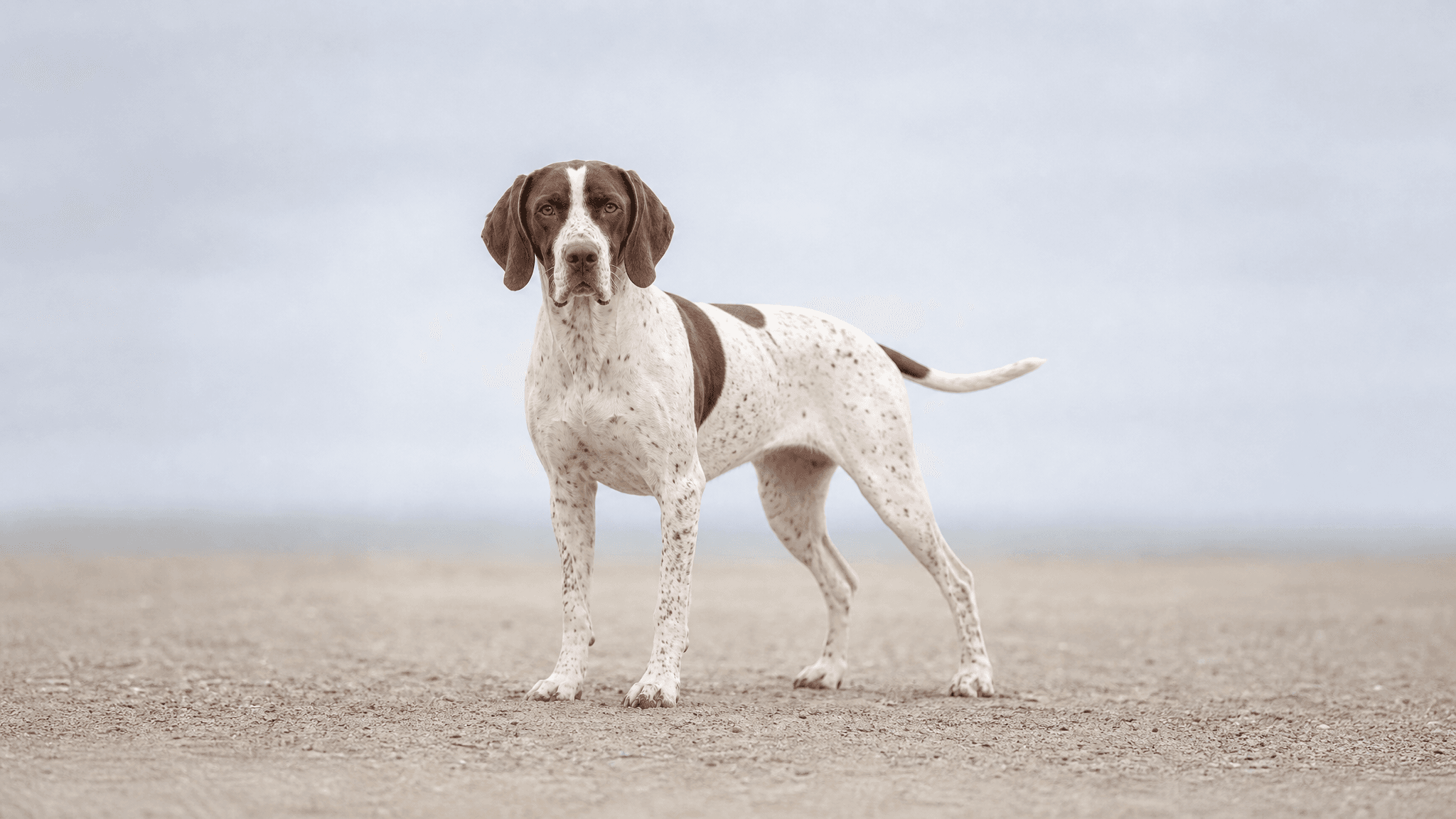
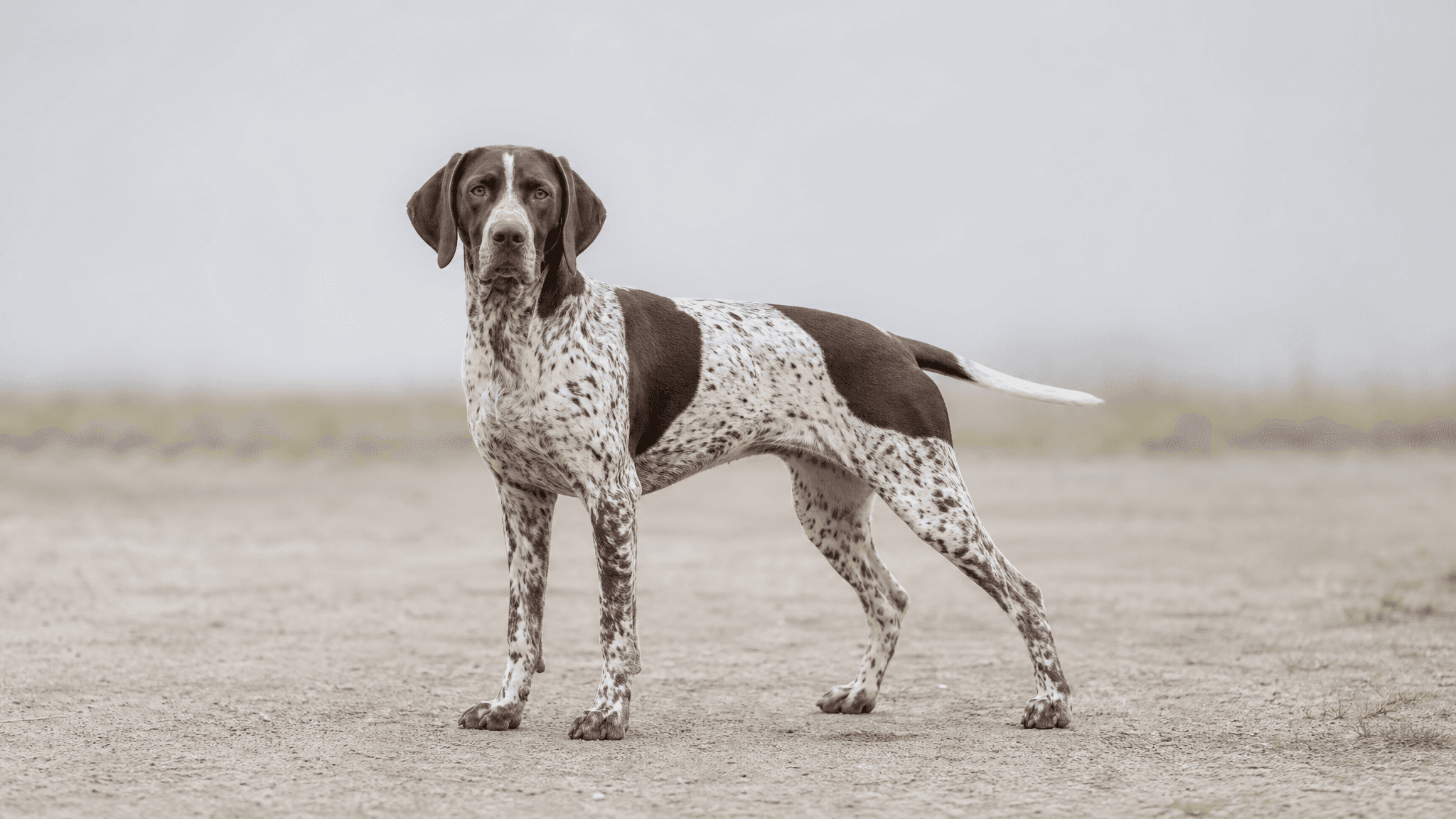
The Old Danish Pointing Dog — "old Danish partridge dog" — is a breed created in the 18th century by the Dane Morten Bak, through crosses between gypsy dogs, local farm dogs, and St. Hubert's Hound (Bloodhound). The result was a medium-type pointing dog breed, white and brown, with great endurance and a pendulous muzzle. It is the only national pointing dog of Denmark and a breed of very stable and calm character, still actively used in Danish hunting.
Physical Characteristics
- Size
- Medium
- Height (male)
- 54–60 cm
- Height (female)
- 50–56 cm
- Weight (male)
- 30–35 kg
- Weight (female)
- 26–31 kg
- Life Expectancy
- 12–14 years
- Coat
- Short, dense, and hard; weather-resistant
- Common Colors
- White with brown patches; or brown roan; darker brown is preferred; no black markings
Temperament & Personality
The Old Danish Pointing Dog conveys an impression of calm, stability, and determination — traits explicitly described in the breed standard. It is a courageous and persistent dog in the field, suitable for both small areas and large hunting estates. At home it is quiet and balanced. It is generally good with children and other animals but can be reserved with strangers.
Activity & Exercise
- Energy Level
- Moderate to high
- Recommended Daily Exercise
- 60–90 minutes
- Suitable for Apartment
- Not recommended
Grooming & Care
- Grooming Needs
- Low
- Shedding
- Moderate
- Bathing Frequency
- Every 4 weeks
Health
- Common Health Issues
- Ear infections
- General joint problems
- Hip dysplasia
- Recommended Health Tests
- Ear examination
- Orthopedic evaluation
Compatibility
- With Children
- Good
- With Other Dogs
- Good
- With Cats
- Moderate
- For First-Time Owners
- Recommended
Is an Old Danish Pointing Dog right for you?
An Old Danish Pointing Dog may suit you if:
- You are prepared to provide 60 to 90 minutes of engaging exercise daily for a persistent and courageous companion.
- You enjoy outdoor adventures and activities that engage a pointing dog's natural instincts and endurance.
- You appreciate a calm, stable, and determined companion who is balanced and quiet in your home.
- You are ready to engage in consistent, positive training to nurture a well-behaved and responsive family member.
- You don't mind moderate shedding and appreciate a low-maintenance, weather-resistant coat requiring minimal grooming.
- You are happy to welcome a dog with strong pointing instincts who is generally good with children and other pets.
Think twice if:
- You expect instant, unwavering obedience from a dog, as their independent hunting spirit may surprise you.
- You frequently leave your dog alone for long periods, as this breed thrives on companionship and routine.
- You are unwilling to manage or integrate a dog with moderate prey drive around smaller household pets like cats.
- You are not prepared to commit to at least an hour of daily exercise or manage moderate shedding around your home.
- You live in an apartment or lack a securely fenced yard where a medium-sized, active dog can safely explore.
- You are unable to consistently manage a strong, medium-sized dog during their energetic adolescent phase.
Bringing an Old Danish Pointing Dog into your life means embracing a calm, devoted companion with a strong working heritage. While they offer quiet stability at home and are generally good with families, their need for consistent exercise and mental engagement is real. Be prepared to honor their natural instincts and provide a loving, active environment, and you'll discover a truly loyal and rewarding friend for their 12 to 14 years.
Training an Old Danish Pointing Dog
The Old Danish Pointing Dog, with its calm, stable, and determined temperament, learns best through consistent, positive reinforcement. They thrive on clear communication and gentle guidance, responding wonderfully to food rewards, praise, and engaging play. Keep training sessions short, fun, and frequent to maintain their focus and enthusiasm. Harsh corrections or inconsistent methods can cause this sensitive breed to become reserved or less cooperative, hindering their natural willingness to please. Patience and understanding are your best tools to unlock their full potential and build a strong, trusting bond.
Begin with:
- Attention and response to name around distractions
- Recall on a long line
- Loose-leash walking
- Leave it and drop it
- Calm greetings without jumping
- Settling on a mat or bed
- Cooperative handling for grooming, ears, feet and teeth
- Waiting at doors and gates
Prey Drive and Recall
As a pointing dog, the Old Danish Pointing Dog possesses a strong natural prey drive, making recall a significant challenge, especially in environments with tempting scents or wildlife. Start recall training in a secure, distraction-free area, gradually introducing distractions. Always use a long line in open spaces until their recall is rock-solid, ensuring their safety and your peace of mind. Engage their natural instincts with scent games and retrieve exercises to provide an outlet for their drives.
Consistent positive reinforcement and making coming back to you the most rewarding option are crucial. For in-depth guidance, check out this guide on teaching recall. Remember, patience is key, and never punish your dog for eventually returning, even if it took a while.
Leash Manners
With their medium size and sturdy build (males weighing 30-35 kg), an Old Danish Pointing Dog can exert considerable strength on the leash if not properly trained. They are persistent in the field, and this determination can translate into pulling if they are excited or following a scent. Begin loose-leash walking training early, making sure to reward every step taken with a slack leash. Avoid allowing them to pull, as this quickly becomes a self-rewarding habit.
Invest in comfortable, well-fitting walking gear that doesn't encourage pulling, such as a front-clip harness. Consistent practice in various environments will reinforce good habits. If you're struggling, this resource offers practical tips for improving leash manners and making walks enjoyable for both of you.
Boredom and Destructive Behavior
While calm and balanced at home, the Old Danish Pointing Dog has moderate to high energy levels and requires 60-90 minutes of daily exercise. If under-exercised or left alone for extended periods without mental stimulation, they can become bored and resort to destructive behaviors like chewing, excessive barking, or digging. They are not recommended for apartment living precisely because they need space and activity.
Ensure they receive their recommended daily physical activity, which can include walks, runs, or engaging play. Supplement physical exercise with mental challenges such as puzzle toys, training sessions, or scent work to keep their intelligent minds occupied. If you suspect your dog is experiencing stress when left alone, understanding the signs of separation anxiety can help you address the issue effectively.
Old Danish Pointing Dog — Frequently Asked Questions
What is the Gammel Dansk Hønsehund (Old Danish Pointing Dog)?
Hailing from Denmark in the 18th century, the Gammel Dansk Hønsehund, or Old Danish Pointing Dog, is a truly special breed. Developed by Morten Bak through a thoughtful blend of gypsy dogs, local farm dogs, and the St. Hubert's Hound, this medium-sized beauty belongs to FCI Group 7 (Braque type). They are easily recognized by their distinctive white and brown coat and pendulous muzzle, embodying a wonderful mix of calm, stability, and determination. As Denmark's only national pointing dog, they carry a proud heritage and a very stable, balanced character.
What was the Gammel Dansk Hønsehund (Old Danish Pointing Dog) originally bred for?
The Gammel Dansk Hønsehund was originally bred with a specific and noble purpose in mind: to be an exceptional pointing dog. Created in the 18th century by Morten Bak, this breed was designed for hunting, particularly partridge, which is why they are affectionately known as the "old Danish partridge dog." Their courageous and persistent nature in the field made them perfectly suited for both smaller hunting areas and expansive estates. Even today, they remain actively used in Danish hunting, showcasing their enduring skill and dedication to their original calling.
How much exercise does a Gammel Dansk Hønsehund (Old Danish Pointing Dog) need?
These wonderful dogs thrive on activity! The Gammel Dansk Hønsehund has a moderate to high energy level, so they truly appreciate a good workout. We recommend providing them with 60 to 90 minutes of exercise every single day. This could be a brisk walk, a fun game of fetch, or even a run alongside you. Their historical role as persistent hunting dogs means they have excellent endurance, making them fantastic companions for active families who love to explore the outdoors and engage in stimulating play.
Is the Gammel Dansk Hønsehund (Old Danish Pointing Dog) a good family dog?
Absolutely! The Gammel Dansk Hønsehund makes a truly wonderful family companion. At home, they are known for being quiet and wonderfully balanced, conveying an impression of calm and stability. They are generally very good with children, showing patience and a gentle nature. Furthermore, they tend to get along well with other animals, fitting harmoniously into multi-pet households. While they can be a bit reserved with strangers initially, their loyalty and affectionate nature shine brightly once they welcome someone into their circle, making them cherished family members.
Is the Gammel Dansk Hønsehund (Old Danish Pointing Dog) easy to train?
Yes, the Gammel Dansk Hønsehund is generally considered quite trainable! They possess a wonderful temperament, characterized by calm, stability, and determination, which are excellent traits for learning. Their intelligence and inherent persistence, especially evident in their hunting background, mean they are eager to please and respond well to consistent, positive reinforcement training. They are courageous and focused, making them receptive students. Early socialization and training will help them develop into well-mannered and confident companions, ready to enjoy many adventures by your side.
What health issues are common in the Gammel Dansk Hønsehund (Old Danish Pointing Dog)?
Like all breeds, the Gammel Dansk Hønsehund can be prone to certain health considerations, and it's always good to be aware. Documented health concerns for this lovely breed include ear infections, which can often be managed with regular cleaning and care, especially given their pendulous ears. Additionally, they can be susceptible to general joint problems and hip dysplasia. Responsible breeders will screen their dogs for these conditions, and regular veterinary check-ups are key to catching and addressing any potential issues early, ensuring your furry friend stays happy and healthy.
What is the Gammel Dansk Hønsehund (Old Danish Pointing Dog)'s coat like and how much grooming does it need?
The Gammel Dansk Hønsehund sports a beautiful, short, and dense coat, typically in a striking white and brown pattern. Thankfully, their grooming needs are quite straightforward, making them relatively low-maintenance companions. A good weekly brushing is usually all it takes to keep their coat looking neat and to minimize shedding. Regular checks of their lovely pendulous ears are also important to prevent infections, especially for dogs who enjoy outdoor adventures. This simple routine helps keep them comfortable and looking their best with minimal fuss.
What is the typical lifespan of a Gammel Dansk Hønsehund (Old Danish Pointing Dog)?
It's wonderful to know that the Gammel Dansk Hønsehund typically enjoys a long and fulfilling life! These robust and healthy dogs generally have a lifespan of 12 to 14 years. Providing them with a balanced diet, regular exercise within their recommended 60-90 minutes daily, consistent veterinary care, and plenty of love and mental stimulation will help ensure they live out their full, happy years as cherished members of your family. They truly are a joy to have around for many years.
Community
Talk to real Old Danish Pointing Dog owners
This guide covers the breed on paper. In the app, the Old Danish Pointing Dog community covers it in real life: photos from other owners, questions answered by people who live with the breed, and a directory of dogs you can browse.
- Photos & pollsSee what Old Danish Pointing Dog owners are sharing today.
- Questions & answersAsk anything and hear from people who own one.
- Dog directoryBrowse Old Danish Pointing Dogs from around the world.
You join automatically when you add a Old Danish Pointing Dog to your profile.