Norwegian Elkhound Grey
Summary
The Norwegian Elkhound Grey is one of the oldest breeds in Europe, with archaeological evidence indicating its presence in Norway over 6,000 years ago. Bred to hunt moose in Scandinavian forests, it works by locating the animal and barking persistently to hold it at bay. It is the national dog of Norway and an important symbol of Norwegian identity.
Physical Characteristics
- Size
- Medium
- Height (male)
- 52 cm
- Height (female)
- 49 cm
- Weight (male)
- 23 kg
- Weight (female)
- 20 kg
- Life Expectancy
- 12–15 years
- Coat
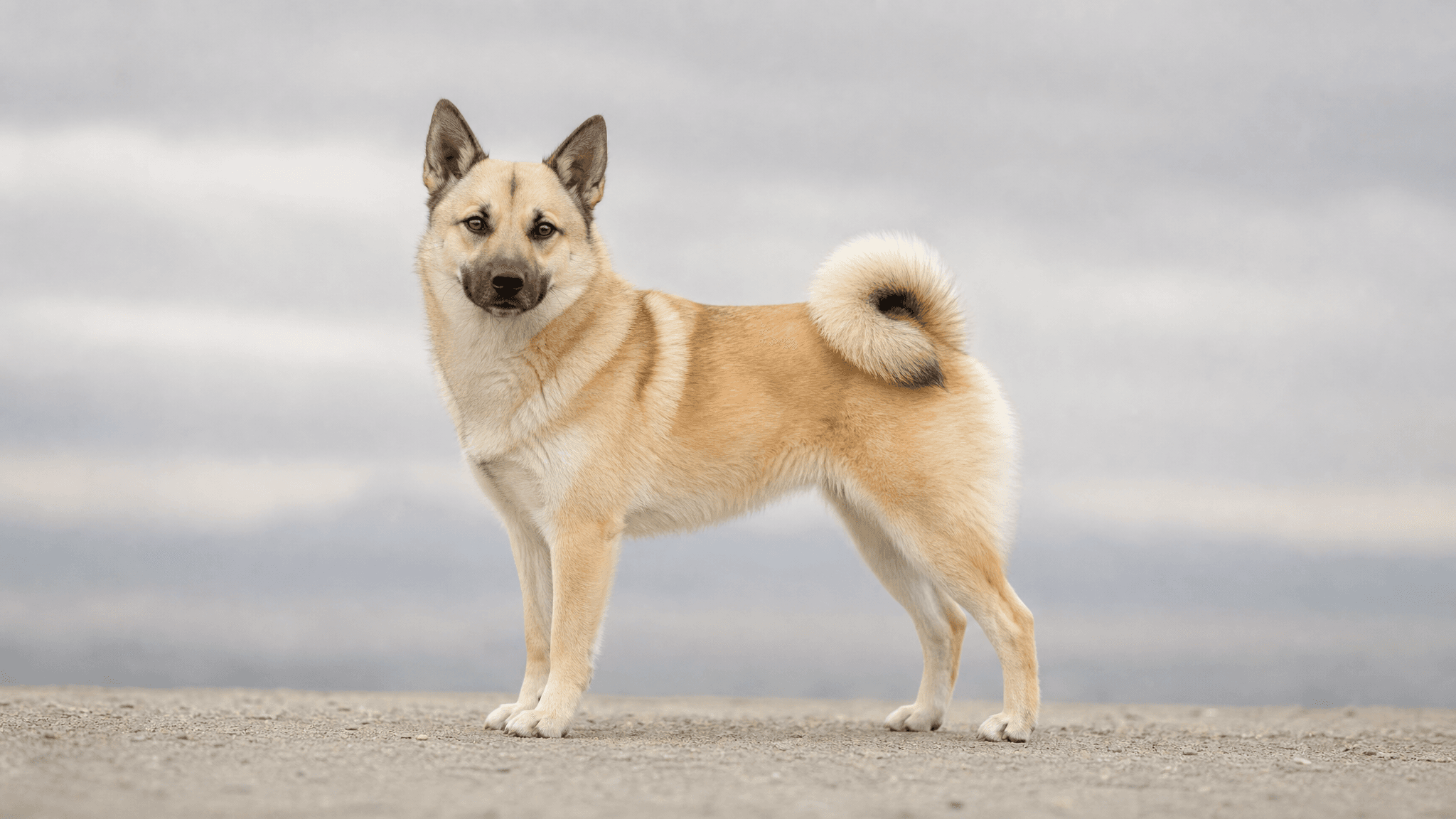
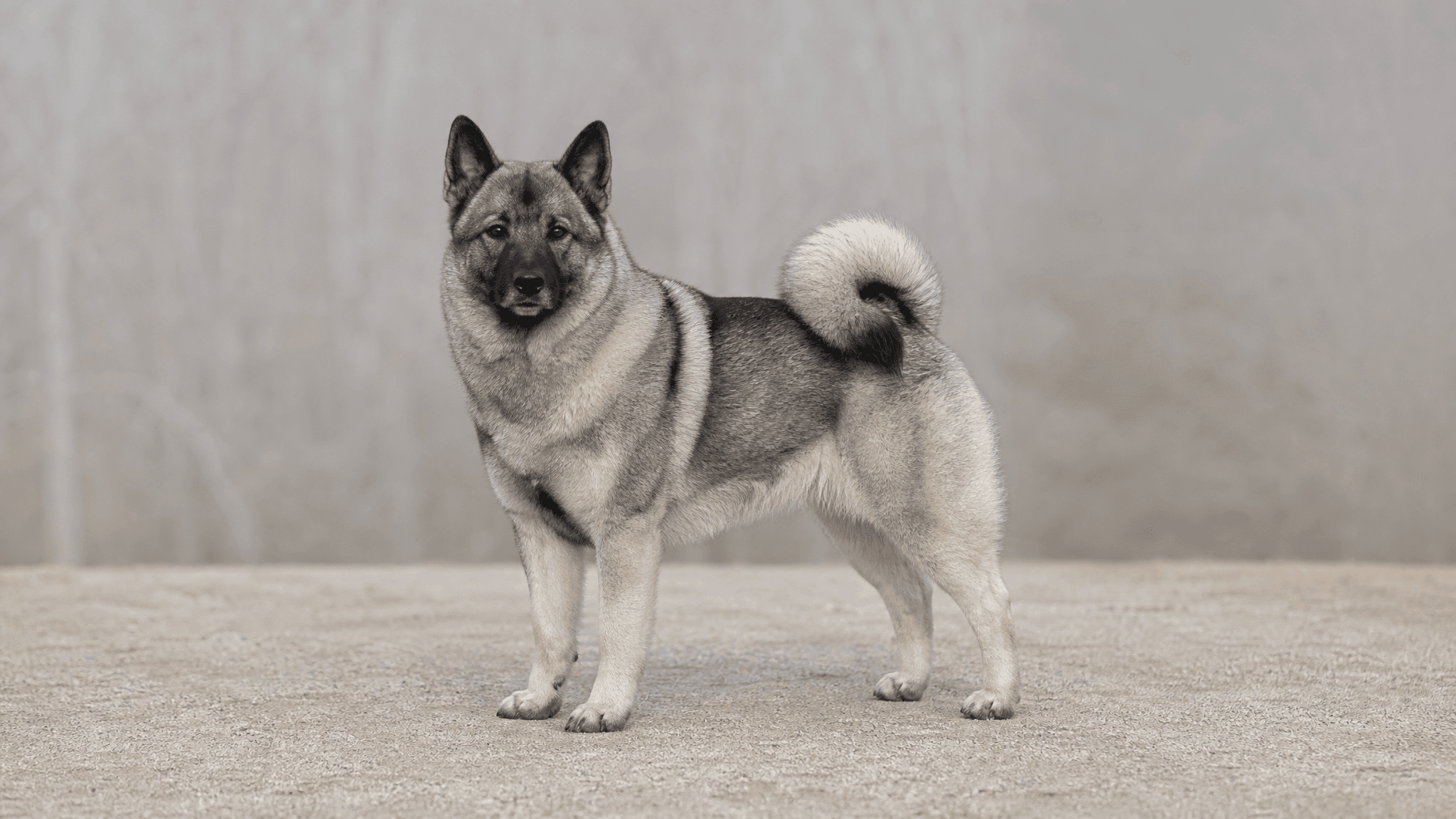
- Double and dense; coarse outer coat; soft and dense undercoat; typical grey coloring
- Common Colors
- Grey in various shades; dark muzzle and ears; lighter chest, belly, and legs; dark tail
Temperament & Personality
The Norwegian Elkhound Grey is an energetic, courageous, and good-tempered dog, extremely loyal to the family. It is active and loves the outdoors, but is equally affectionate and companionable at home. It has a tendency to bark — a legacy of its hunting role — and should be trained to control this vocalization in a domestic setting. It is intelligent and responds well to positive reinforcement training.
Activity & Exercise
- Energy Level
- High
- Recommended Daily Exercise
- 60–90 minutes
- Suitable for Apartment
- Not recommended
Grooming & Care
- Grooming Needs
- Moderate
- Shedding
- Heavy
- Bathing Frequency
- Every 6–8 weeks
Health
- Common Health Issues
- Fanconi syndrome (tubular nephropathy)
- Glaucoma
- Hip dysplasia
- Hypothyroidism
- Recommended Health Tests
- Eye examination
- Hip evaluation
- Kidney screening (genetic test for Samoyed nephropathy)
Compatibility
- With Children
- Excellent
- With Other Dogs
- Good
- With Cats
- Moderate
- For First-Time Owners
- Acceptable
Is a Norwegian Elkhound Grey right for you?
A Norwegian Elkhound Grey may suit you if:
- You enjoy providing at least 60 to 90 minutes of vigorous daily exercise and engaging mental challenges for an intelligent companion.
- You thrive on outdoor adventures and appreciate a loyal, active partner who enjoys exploring alongside you.
- You are seeking a courageous, good-tempered, and deeply loyal family member who is both active outdoors and affectionate at home.
- You are prepared to consistently apply positive reinforcement training to harness their intelligence and manage their natural vocalizations.
- You are prepared for moderate grooming needs, including regular brushing to manage their heavy shedding and dense double coat.
- You are willing to work with a dog whose natural hunting instincts include persistent barking, which can be managed with training.
Think twice if:
- You expect instant, unwavering obedience from a dog, as Elkhounds possess an independent spirit characteristic of their spitz heritage.
- You frequently leave your dog alone for extended periods, as this loyal breed thrives on companionship and can develop separation anxiety.
- You have small, chase-prone pets, as their strong prey drive may make living with cats challenging.
- You are unwilling to commit to daily vigorous exercise and consistent grooming, including managing heavy shedding throughout the year.
- You live in an apartment or lack a securely fenced yard, as their active nature requires ample outdoor space.
- You are unprepared for a strong-willed adolescent phase, requiring firm yet gentle guidance to channel their energy positively.
The Norwegian Elkhound Grey offers immense loyalty and a spirited companionship, but they are not a dog for the faint of heart. Their ancient hunting heritage means they bring both deep affection and a strong, independent will to your home. While incredibly rewarding for active, dedicated owners, understanding their need for engagement and managing their vocal nature is key to a harmonious life together.
Training a Norwegian Elkhound Grey
Norwegian Elkhounds are intelligent and eager to please, thriving on positive reinforcement methods. Their loyalty makes them keen to work with their family, especially when motivated by tasty treats, enthusiastic praise, and engaging play. Keep training sessions short, fun, and varied to match their high energy and prevent boredom. If training becomes repetitive or harsh, an Elkhound may become stubborn, vocal, or disengage entirely, making patience and consistency your best tools for success.
Begin with:
- Attention and response to name around distractions
- Recall on a long line
- Loose-leash walking
- Leave it and drop it
- Calm greetings without jumping
- Settling on a mat or bed
- Cooperative handling for grooming, ears, feet and teeth
- Waiting at doors and gates
Prey Drive and Recall
Your Norwegian Elkhound Grey has a strong hunting heritage, bred to track and hold game like moose with persistent barking. This means they possess a significant prey drive, which can make recall challenging, especially when an interesting scent or movement catches their attention. Start recall training in a quiet, fenced area, gradually introducing distractions. Always use a long line in open spaces until their recall is rock-solid, rewarding them generously when they return. Consistent practice is vital, and you can find more tips in this guide on teaching recall.
Leash Pulling
With their high energy and love for the outdoors, an Elkhound can become quite strong on the leash, especially when excited by new sights and smells. Early and consistent loose-leash training is crucial to prevent them from pulling you along. Use positive reinforcement, rewarding them for walking calmly by your side. A front-clip harness can also be a helpful tool to manage pulling while you work on training. Remember, daily walks are essential for their well-being, but they should be enjoyable for both of you. You can get started with our plan to stop leash pulling.
Managing High Energy and Barking
Norwegian Elkhounds thrive on activity and mental stimulation. If they don't receive their recommended 60-90 minutes of daily exercise and engaging activities, they can become bored, leading to destructive behaviors or excessive barking – a trait inherited from their hunting role. Provide plenty of opportunities for physical exercise, like long walks, hikes, or active play. Incorporate puzzle toys, scent work, and short training sessions to keep their intelligent minds busy. Early training to control barking, rewarding quiet behavior, is also important for a harmonious home. Our Training feature can help you build a consistent routine.
Norwegian Elkhound Grey — Frequently Asked Questions
What is the Norsk Elghund Grå (Norwegian Elkhound Grey)?
The Norsk Elghund Grå, or Norwegian Elkhound Grey, is a truly ancient and distinguished breed hailing from Norway, where it holds the esteemed title of national dog! As a member of the FCI Group 5 (Nordic Hunting Dogs), this medium-sized companion is known for its energetic, courageous, and wonderfully good-tempered nature. With archaeological evidence suggesting its presence in Norway over 6,000 years ago, this breed is not just a dog; it's a living piece of history and an important symbol of Norwegian identity, embodying loyalty and an adventurous spirit.
What was the Norsk Elghund Grå (Norwegian Elkhound Grey) originally bred for?
The Norwegian Elkhound Grey was originally bred for a very specific and demanding task: hunting moose in the vast Scandinavian forests. These intelligent dogs would locate the moose and then, with their characteristic persistent barking, hold the animal at bay until the hunter could arrive. This incredible heritage has shaped them into the courageous and vocal companions we know today. Their ancient lineage and specialized hunting role highlight their remarkable instincts and enduring connection to the rugged Norwegian landscape.
How much exercise does a Norsk Elghund Grå (Norwegian Elkhound Grey) need?
Given their high energy level and hunting background, the Norsk Elghund Grå absolutely thrives on activity! They need a good amount of exercise to stay happy and healthy, typically requiring 60–90 minutes of dedicated physical activity each day. This can include brisk walks, runs, hiking, or engaging playtime in a secure area. They truly love the outdoors, so embracing their adventurous spirit with plenty of opportunities to explore and burn off energy will make them the happiest companions.
Is the Norsk Elghund Grå (Norwegian Elkhound Grey) a good family dog?
Absolutely! The Norsk Elghund Grå is renowned for being an extremely loyal and affectionate family member. They are good-tempered and, while active outdoors, are equally companionable and loving when at home with their people. With proper socialization from a young age, they can integrate beautifully into families with children and other pets. Their devotion to their family makes them wonderful, protective companions, always ready for an adventure or a cozy cuddle on the couch.
Is the Norsk Elghund Grå (Norwegian Elkhound Grey) easy to train?
The Norwegian Elkhound Grey is a very intelligent breed that responds wonderfully to positive reinforcement training methods. Their eagerness to please and sharp minds make them capable learners. However, a legacy of their hunting role is a tendency to bark, which means consistent training is essential to help them understand when vocalization is appropriate in a domestic setting. Early and ongoing training, coupled with patience and positive encouragement, will help your Elkhound become a well-behaved and joyful companion.
What health issues are common in the Norsk Elghund Grå (Norwegian Elkhound Grey)?
Like all breeds, the Norsk Elghund Grå can be prone to certain health conditions, and it's good for prospective owners to be aware. Documented health concerns for the breed include Fanconi syndrome (a kidney tubule disorder), Glaucoma, Hip dysplasia, and Hypothyroidism. Responsible breeders will screen their dogs for these conditions. Regular veterinary check-ups, a balanced diet, and plenty of exercise are key to helping your beloved Elkhound live a long, vibrant life.
What is the Norsk Elghund Grå (Norwegian Elkhound Grey)'s coat like and how much grooming does it need?
The Norsk Elghund Grå boasts a dense, weather-resistant double coat that is perfectly suited for cold climates and outdoor adventures. This protective coat consists of a soft, woolly undercoat and a coarser, straight outer coat. While beautiful, it does require regular grooming to keep it healthy and to manage shedding, especially during seasonal changes. Brushing your Elkhound a few times a week will help remove loose hair, prevent matting, and keep their coat looking its best, strengthening your bond in the process!
What is the typical lifespan of a Norsk Elghund Grå (Norwegian Elkhound Grey)?
With proper care, nutrition, and a loving home, the Norsk Elghund Grå typically enjoys a wonderful lifespan of 12–15 years. These hardy and robust dogs are known for their vitality. Providing them with regular veterinary care, a high-quality diet, consistent exercise, and plenty of mental stimulation will contribute significantly to their overall well-being and help ensure they remain a cherished part of your family for many happy years.
Community
Talk to real Norwegian Elkhound Grey owners
This guide covers the breed on paper. In the app, the Norwegian Elkhound Grey community covers it in real life: photos from other owners, questions answered by people who live with the breed, and a directory of dogs you can browse.
- Photos & pollsSee what Norwegian Elkhound Grey owners are sharing today.
- Questions & answersAsk anything and hear from people who own one.
- Dog directoryBrowse Norwegian Elkhound Greys from around the world.
You join automatically when you add a Norwegian Elkhound Grey to your profile.