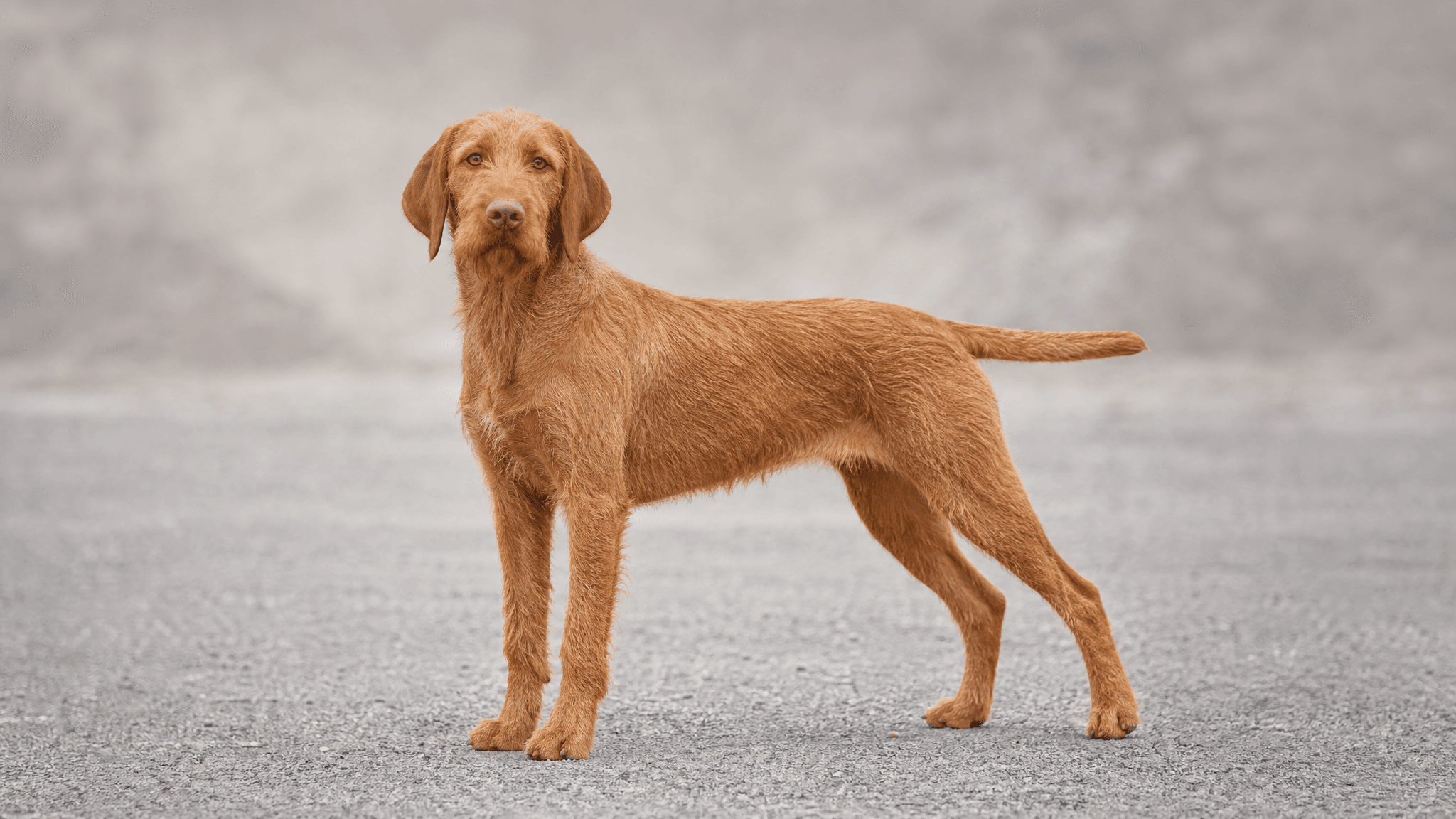
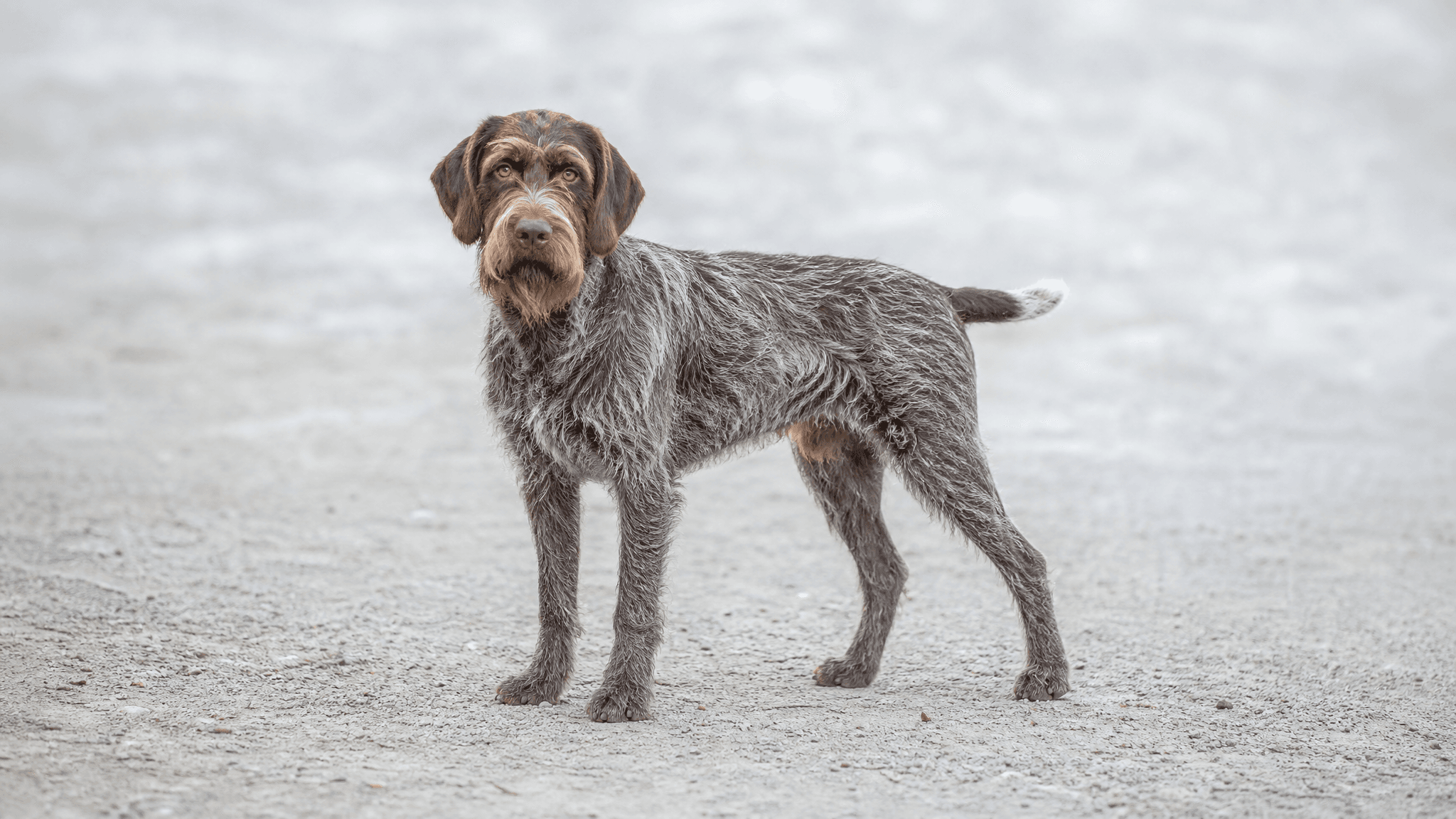
Hungarian Short-Haired Pointer (Vizsla)
Summary
The Vizsla — whose name means "pointer" in Hungarian — is one of the oldest and most distinctive hunting breeds of Central Europe. Developed by the Magyar nobility over centuries to hunt in the Hungarian plains, the Vizsla nearly disappeared after the two World Wars, being saved by dedicated breeders. It is notable for its unique golden-rust coat and its reputation as a "velcro" dog — an extremely devoted companion that rarely strays from its owner.
Physical Characteristics
- Size
- Medium
- Height (male)
- 58–64 cm
- Height (female)
- 54–60 cm
- Weight (male)
- 20–30 kg
- Weight (female)
- 18–25 kg
- Life Expectancy
- 12–15 years
- Coat
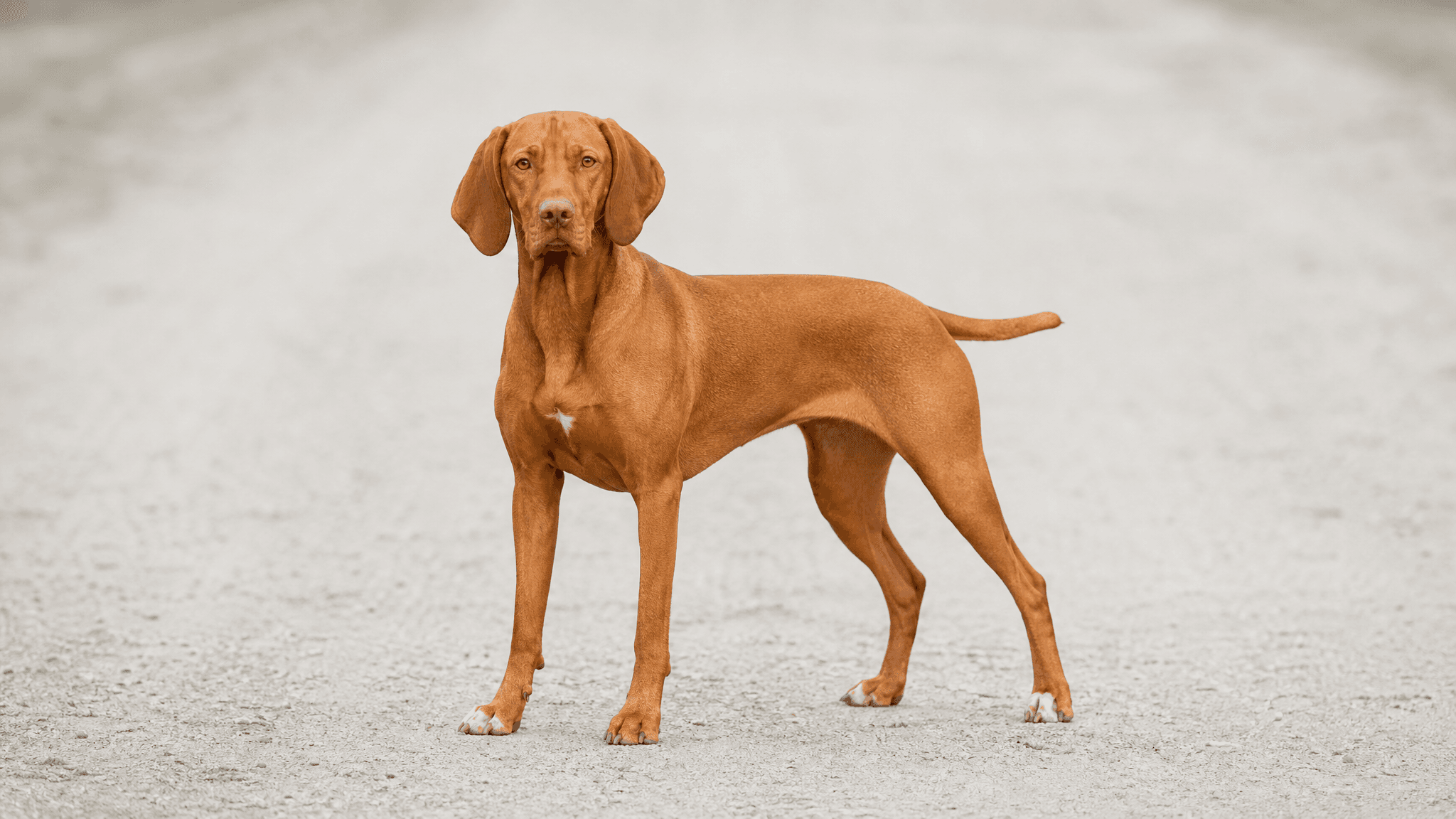
- Short, dense, smooth, and glossy; no undercoat (soft to the touch)
- Common Colors
- Golden-rust (rust gold); small white marks on the chest and paws are permitted
Temperament & Personality
The Vizsla is an extraordinarily affectionate, sensitive, and devoted dog, with a very high energy level. It is intelligent and learns easily but does not tolerate harsh training methods or punishment — its sensitivity requires consistency and gentleness. It was not bred to live in a kennel; it needs constant companionship with the family. It can develop separation anxiety if left alone for long periods.
Activity & Exercise
- Energy Level
- Very high
- Recommended Daily Exercise
- 90–120 minutes
- Suitable for Apartment
- Not recommended
Grooming & Care
- Grooming Needs
- Low
- Shedding
- Low to moderate
- Bathing Frequency
- Every 12 weeks
Health
- Common Health Issues
- Cancer (mast cell tumors, hemangiosarcoma, lymphoma)
- Canine epilepsy
- Hip dysplasia
- Hypothyroidism
- Sebaceous adenitis
- Recommended Health Tests
- Eye examination
- Genetic test for epilepsy
- Orthopedic evaluation
- Thyroid evaluation
Compatibility
- With Children
- Excellent
- With Other Dogs
- Good
- With Cats
- Moderate
- For First-Time Owners
- Acceptable
Is a Hungarian Short-Haired Pointer (Vizsla) right for you?
A Hungarian Short-Haired Pointer (Vizsla) may suit you if:
- You can commit to providing 90 to 120 minutes of vigorous exercise and mental challenges every single day.
- You enjoy an active, outdoor lifestyle and want a devoted companion by your side for adventures like hiking or running.
- You appreciate a highly intelligent, sensitive, and affectionate dog that thrives on being a "velcro" companion.
- You are prepared to use consistent, gentle, and positive reinforcement training methods to nurture a sensitive soul.
- You are comfortable with minimal grooming, as their short, dense coat requires little more than occasional brushing.
- You are willing to manage their strong desire for constant companionship and prevent potential separation anxiety.
Think twice if:
- You expect instant, unwavering obedience from a dog that requires patient, gentle, and consistent guidance.
- You frequently leave your dog alone for extended periods, as this breed can suffer from severe separation anxiety.
- You have small, vulnerable pets like cats or birds and are not prepared for careful introductions and management.
- You are unable to provide at least 90 minutes of vigorous daily exercise for a dog with very high energy.
- You live in a small apartment and cannot offer ample space or a secure yard for their active nature.
- You are not prepared to manage a boisterous, strong, medium-sized dog during its energetic adolescent phase.
The Vizsla is a truly magnificent companion, offering unparalleled devotion and a zest for life. However, their extraordinary energy and deep sensitivity mean they thrive only with consistent engagement, gentle training, and constant companionship. Be prepared for a loyal shadow who demands much but gives even more, enriching the lives of those who truly understand their unique needs.
Training a Hungarian Short-Haired Pointer (Vizsla)
Vizslas are incredibly intelligent and eager to please, making them a joy to train. Their sensitive and affectionate nature means they thrive on positive reinforcement, praise, and gentle guidance. Keep training sessions short, fun, and frequent to maintain their focus and enthusiasm. Harsh corrections or punishment will quickly shut down a Vizsla, damaging your bond and making them resistant to learning. Consistency and patience are key to harnessing their bright minds and building a confident, well-behaved companion.
Begin with:
- Attention and response to name around distractions
- Recall on a long line
- Loose-leash walking
- Leave it and drop it
- Calm greetings without jumping
- Settling on a mat or bed
- Cooperative handling for grooming, ears, feet and teeth
- Waiting at doors and gates
Prey Drive and Recall
Your Vizsla's heritage as a hunting dog means they possess a strong prey drive, making squirrels, birds, and even rustling leaves incredibly tempting. This instinct can make recall challenging, especially in open spaces. Start recall training in a secure, low-distraction environment, gradually increasing the difficulty. Always use a long line in unfenced areas until their recall is absolutely reliable, ensuring their safety. Make coming back to you the most rewarding thing ever with high-value treats and enthusiastic praise, so you can compete with those exciting scents and movements. This guide can help.
Leash Pulling
Vizslas have very high energy and, at 20-30 kg for males, they can be strong pullers on the leash if not taught otherwise. Their sensitivity means that harsh corrections will be counterproductive and can lead to a fearful or resistant dog. Focus on positive reinforcement for walking nicely, using treats and praise to reward a loose leash. Practice in quiet areas first, gradually introducing more distractions. Consistent, gentle guidance will help your Vizsla learn to walk politely by your side, transforming walks into enjoyable experiences for both of you. Our force-free plan offers great tips.
Coping with Loneliness
The Vizsla is renowned as a 'velcro' dog, deeply devoted and needing constant companionship. They are not recommended for apartment living and thrive when integrated fully into family life. If left alone for extended periods, especially without sufficient exercise (90-120 minutes daily), they can quickly develop separation anxiety. This might manifest as destructive chewing, excessive barking, or house-soiling. To prevent this, ensure they receive ample physical and mental stimulation, and gradually accustom them to short periods of alone time, making it a positive experience with enrichment toys. Look for signs of stress when you leave; this article can help you identify them.
Hungarian Short-Haired Pointer (Vizsla) — Frequently Asked Questions
What is the Hungarian Short-Haired Pointer (Vizsla)?
The Hungarian Short-Haired Pointer, affectionately known as the Vizsla, is a magnificent medium-sized dog hailing from Central Europe. Its name, meaning "pointer" in Hungarian, perfectly describes its heritage as one of the oldest and most distinctive hunting breeds. Developed over centuries by Magyar nobility, Vizslas are instantly recognizable by their unique golden-rust coat. They belong to FCI Group 7 (Braque type) and are renowned as "velcro" dogs due to their extraordinarily devoted and affectionate nature, always wanting to be close to their human companions. Their high energy and sensitive spirit make them truly special.
What was the Hungarian Short-Haired Pointer (Vizsla) originally bred for?
The Vizsla was originally bred for a very specific and noble purpose: to be the ultimate hunting companion for the Magyar nobility in the vast Hungarian plains. These skilled dogs were developed over centuries to excel at pointing and retrieving game, showcasing remarkable versatility and endurance. Their history is quite dramatic; the breed faced near extinction after the two World Wars, but dedicated breeders worked tirelessly to save this treasured lineage. This rich history underscores their innate drive and intelligence, making them not just beautiful companions but also highly capable working dogs with a deep-seated instinct for the field.
How much exercise does a Hungarian Short-Haired Pointer (Vizsla) need?
Vizslas are incredibly energetic dogs, so they need a significant amount of daily exercise to stay happy and healthy! We recommend providing your Hungarian Short-Haired Pointer with 90 to 120 minutes of vigorous activity every day. This isn't just a casual stroll; they thrive on activities like running, hiking, swimming, or engaging in dog sports. Their very high energy level means they absolutely love having a job to do, whether it's retrieving balls or exploring new trails. Consistent physical and mental stimulation is crucial to prevent boredom and ensure they channel their zest for life positively.
Is the Hungarian Short-Haired Pointer (Vizsla) a good family dog?
Absolutely, the Vizsla can be a wonderful family dog, often forming incredibly strong bonds with their human companions! They are known for being extraordinarily affectionate, sensitive, and devoted, earning them the nickname "velcro" dogs because they love to be right by your side. However, their high energy means they need plenty of interaction and exercise to be calm indoors. They thrive on constant companionship and are not suited to living in a kennel or being left alone for long periods, as they can develop separation anxiety. With proper socialization and management of their energy, they can integrate beautifully into a loving family environment, often doing well with children and other pets.
Is the Hungarian Short-Haired Pointer (Vizsla) easy to train?
Yes, the Hungarian Short-Haired Pointer is generally considered easy to train, thanks to their high intelligence and eagerness to please! They learn new commands and tasks with remarkable speed. However, their sensitive temperament means they absolutely do not tolerate harsh training methods or punishment. A gentle, consistent, and positive reinforcement approach is key to success with a Vizsla. They respond best to kindness and encouragement, thriving on praise and rewards. Building a strong, trusting bond with your Vizsla through patient and understanding training will unlock their full potential and make the training process a joyful experience for both of you.
What health issues are common in the Hungarian Short-Haired Pointer (Vizsla)?
While Vizslas are generally a robust and healthy breed, like all purebred dogs, they can be predisposed to certain health conditions. It's important for prospective owners to be aware of this and choose a reputable breeder who screens their dogs for genetic issues. Maintaining a healthy diet, ensuring they get their recommended daily exercise, and scheduling regular veterinary check-ups are the best ways to help your Vizsla live a long, happy life. Early detection and preventative care are always beneficial in managing any potential health concerns that may arise, ensuring your beloved companion stays in top shape.
What is the Hungarian Short-Haired Pointer (Vizsla)'s coat like and how much grooming does it need?
The Vizsla's coat is one of its most distinctive features: a beautiful, short, dense, and smooth golden-rust color that feels wonderfully soft to the touch. This practical coat is designed for their active lifestyle, offering protection while being low maintenance. Thankfully, grooming a Vizsla is quite straightforward! They only require minimal grooming, typically a weekly brush with a rubber curry brush or a soft bristle brush to remove loose hairs and keep their coat shiny. Occasional baths, nail trims, and ear cleaning are also part of their routine care, keeping them looking and feeling their best.
What is the typical lifespan of a Hungarian Short-Haired Pointer (Vizsla)?
You can look forward to many wonderful years with your Hungarian Short-Haired Pointer, as they typically enjoy a healthy lifespan of 12 to 15 years! Providing your Vizsla with excellent nutrition, plenty of their recommended daily exercise, consistent veterinary care, and an abundance of love and companionship are all crucial factors in helping them reach their full potential lifespan. Their devotion and energetic spirit will fill your home with joy for well over a decade, making them truly cherished members of the family for a long time.
Community
Talk to real Hungarian Short-Haired Pointer (Vizsla) owners
This guide covers the breed on paper. In the app, the Hungarian Short-Haired Pointer (Vizsla) community covers it in real life: photos from other owners, questions answered by people who live with the breed, and a directory of dogs you can browse.
- Photos & pollsSee what Hungarian Short-Haired Pointer (Vizsla) owners are sharing today.
- Questions & answersAsk anything and hear from people who own one.
- Dog directoryBrowse Hungarian Short-Haired Pointer (Vizsla)s from around the world.
You join automatically when you add a Hungarian Short-Haired Pointer (Vizsla) to your profile.