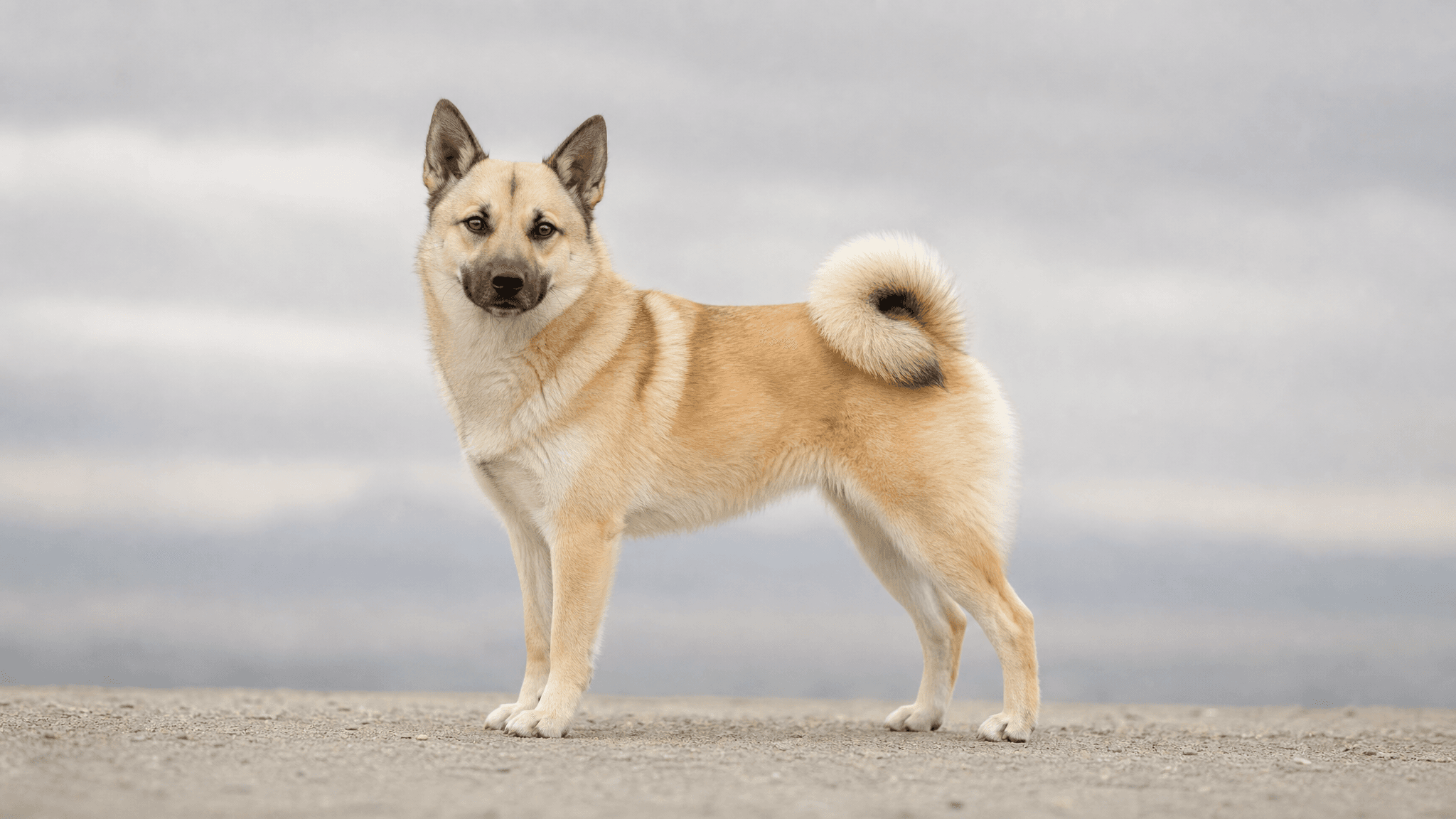
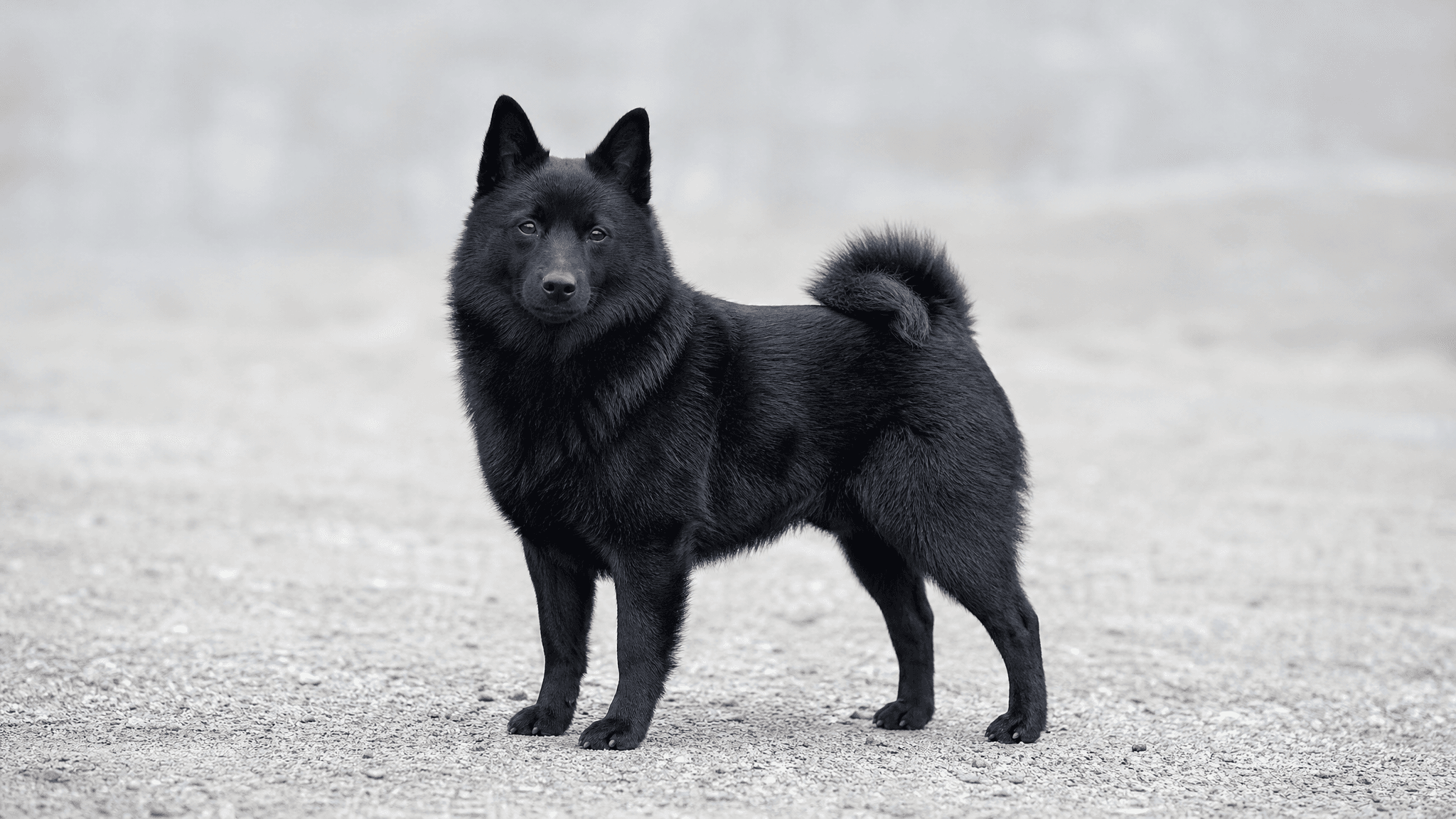
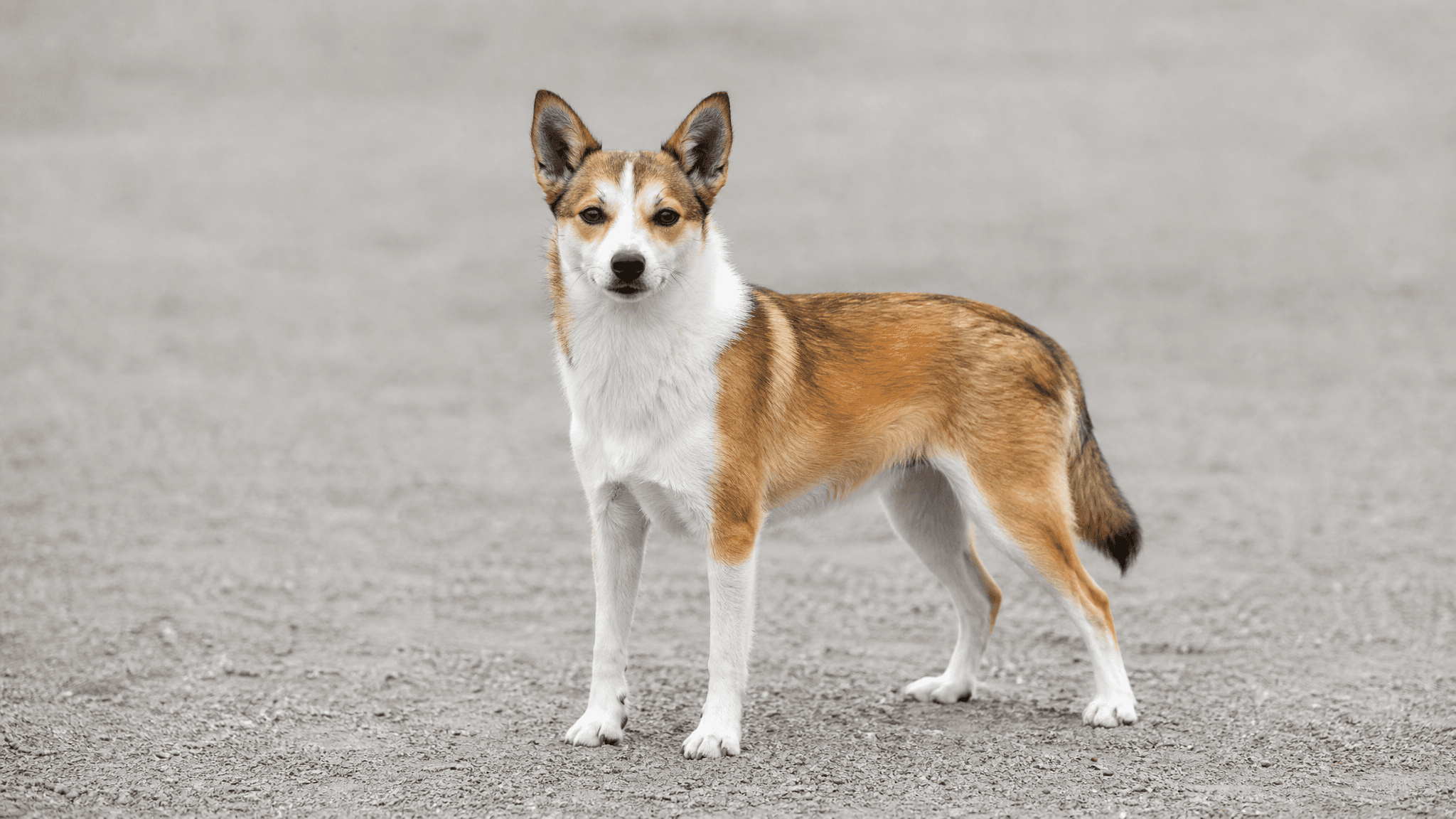
Norwegian Lundehund
Summary
The Norwegian Lundehund is one of the most unique breeds in the world, developed in the Lofoten Islands of Norway for hunting puffins (lunde in Norwegian) in rocky crevices along coastal cliffs. It has six toes on each paw, extreme joint flexibility that allows it to bend its head back to touch its spine, and the ability to close its ears to protect them during hunting. These unique adaptations reflect centuries of selection for a specific function.
Physical Characteristics
- Size
- Small
- Height (male)
- 35–38 cm
- Height (female)
- 32–35 cm
- Weight (male)
- 6–7 kg
- Weight (female)
- 6–7 kg
- Life Expectancy
- 12–15 years
- Coat
- Double; hard outer coat of medium length; soft and dense undercoat
- Common Colors
- Fawn to reddish-brown with white markings; white with patches of the previous colors
Temperament & Personality
The Lundehund is an alert, energetic, and lively dog, with an independent but loyal temperament. It is generally friendly with the family and adapts well to different environments. Its independence can make training challenging, but it responds well to positive methods. It has a tendency to escape and explore, requiring secure fencing.
Activity & Exercise
- Energy Level
- Moderate to high
- Recommended Daily Exercise
- 60 minutes
- Suitable for Apartment
- Yes with exercise
Grooming & Care
- Grooming Needs
- Low to moderate
- Shedding
- Moderate
- Bathing Frequency
- Every 6–8 weeks
Health
- Common Health Issues
- Hip dysplasia
- Lundehund syndrome (a severe intestinal enteropathy unique to this breed)
- Patellar luxation
- Recommended Health Tests
- Genetic screening for the intestinal syndrome
- Regular digestive monitoring
Compatibility
- With Children
- Good
- With Other Dogs
- Good
- With Cats
- Moderate
- For First-Time Owners
- Acceptable
Is a Norwegian Lundehund right for you?
A Norwegian Lundehund may suit you if:
- You are prepared to provide at least 60 minutes of engaging exercise daily to satisfy their moderate to high energy.
- You enjoy outdoor adventures and appreciate a dog with a natural instinct for exploration and agility.
- You appreciate an alert, lively, and independent companion who is deeply loyal to their family.
- You are prepared to invest in consistent, positive reinforcement training to channel their intelligent independence.
- You are comfortable with moderate shedding and providing occasional brushing for their distinct double coat.
- You are willing to manage a dog with a strong drive to explore and unique physical abilities like their six-toed paws.
Think twice if:
- You expect immediate and unwavering obedience from your canine companion.
- You frequently leave your dog alone for long periods, as they thrive on interaction and engagement.
- You are unwilling to carefully introduce and supervise them with cats due to their moderate compatibility.
- You are not prepared for the commitment of daily exercise and consistent mental stimulation.
- You do not have a securely fenced area to prevent their natural inclination to explore and wander.
- You are not prepared to guide an energetic and independent dog through their spirited adolescent phase.
Living with a Norwegian Lundehund is a truly unique experience, blending the joy of a loyal companion with the challenge of their independent spirit. While their distinct traits and need for engagement require a dedicated owner, the reward is a lively, adaptable, and affectionate family member who will keep you on your toes for their 12-15 year lifespan.
Training a Norwegian Lundehund
The Norwegian Lundehund is a bright, energetic, and lively companion, eager to engage when training is approached with positivity and fun. Their independent spirit means they thrive on short, engaging sessions that feel like a game, rather than a chore. Positive reinforcement, especially with high-value treats and praise, is the secret to unlocking their potential. If training becomes repetitive, frustrating, or relies on harsh corrections, your Lundehund's independent nature will likely lead them to disengage or find their own entertainment, making progress much slower. Consistency and patience are your best friends with this clever breed.
Begin with:
- Attention and response to name around distractions
- Recall on a long line
- Loose-leash walking
- Leave it and drop it
- Calm greetings without jumping
- Settling on a mat or bed
- Cooperative handling for grooming, ears, feet and teeth
- Waiting at doors and gates
Prey drive and recall
Your Lundehund was bred to hunt puffins in challenging coastal environments, giving them a strong natural prey drive and an incredible ability to navigate difficult terrain. This instinct means they can be easily distracted by scents, movement, or small animals, making recall a significant challenge.
To counteract this, always train recall in a variety of environments, starting in low-distraction areas and gradually increasing the difficulty. Use a long line for safety during early off-leash practice, ensuring they can't bolt. Make coming back to you the most rewarding thing ever with high-value treats and enthusiastic praise. A secure yard with good fencing is also essential to prevent escapes driven by their exploratory nature. For more in-depth guidance, check out our recall training guide.
Leash manners
Despite their small size (6-7 kg), Norwegian Lundehunds have moderate to high energy levels and a lively spirit, which can translate into pulling on the leash if not addressed early. Their independent nature means they might decide a particular scent or sight is more interesting than walking politely by your side.
Start teaching loose-leash walking from puppyhood, making sure to reward every moment they walk without tension on the lead. Keep walks engaging with varied routes and opportunities for sniffing. If your Lundehund starts to pull, stop moving until the leash slackens, then continue. Consistency is key, and using a front-clip harness can provide better control without discomfort. You might find this guide helpful for mastering leash manners.
Boredom and escape
An under-exercised or under-stimulated Lundehund is a recipe for mischief. With their moderate to high energy and innate drive to explore, they require at least 60 minutes of daily exercise, split into walks, playtime, and mental challenges. If they don't get enough outlets for their energy and intelligence, they may become destructive, bark excessively, or attempt to escape your yard.
Provide plenty of puzzle toys, engage in regular training sessions, and offer opportunities for safe exploration in secure areas. Their tendency to escape means secure fencing is non-negotiable. If you suspect your Lundehund is stressed or bored when left alone, look for signs like excessive chewing or pacing, and consider strategies to enrich their environment. For more on canine well-being, read about how to tell if your dog is stressed.
Norwegian Lundehund — Frequently Asked Questions
What is the Norsk Lundehund (Norwegian Lundehund)?
The Norsk Lundehund, or Norwegian Lundehund, is a truly extraordinary small dog breed hailing from the rugged Lofoten Islands of Norway. It belongs to FCI Group 5, known as Nordic Hunting Dogs. What makes this breed so unique are its incredible physical adaptations: it boasts six fully functional toes on each paw, possesses extreme joint flexibility allowing it to bend its head back to touch its spine, and can even close its ears to protect them. These remarkable traits were developed over centuries for a very specific purpose, making them one of the most fascinating canine companions you could ever meet.
What was the Norsk Lundehund (Norwegian Lundehund) originally bred for?
The Norsk Lundehund's history is as unique as its anatomy! This incredible breed was originally developed in the remote Lofoten Islands of Norway for a very specialized and challenging task: hunting puffins, or 'lunde' in Norwegian. Their unique physical adaptations, like their extra toes and incredible flexibility, were essential for navigating the rocky crevices and coastal cliffs where puffins nested. Centuries of selective breeding honed these dogs into expert hunters, perfectly suited for their environment and purpose. It's a testament to their resilience and the ingenuity of their human companions!
How much exercise does a Norsk Lundehund (Norwegian Lundehund) need?
Despite their small size, Norsk Lundehunds have a moderate to high energy level and thrive on regular activity to keep them happy and healthy. We recommend providing your Lundehund with at least 60 minutes of exercise each day. This can include a variety of activities like brisk walks, playful romps in a securely fenced yard, or engaging in dog sports. Their intelligent and curious nature also means they benefit greatly from mental stimulation, so incorporating puzzle toys or training sessions into their daily routine can be just as important as physical exercise.
Is the Norsk Lundehund (Norwegian Lundehund) a good family dog?
Yes, the Norsk Lundehund can make a wonderful addition to the right family! They are generally friendly with their family members and adapt well to various home environments. While they possess an independent streak, they are also very loyal companions. With proper socialization from a young age, they can get along well with children and other pets. It's always important to supervise interactions, especially with very young children, and ensure all family members understand how to respectfully interact with a dog. Their lively and alert nature can bring a lot of joy to a loving home.
Is the Norsk Lundehund (Norwegian Lundehund) easy to train?
The Norsk Lundehund is an intelligent and alert breed, but their independent nature can make training a unique adventure! While they are loyal to their families, their lively and curious temperament means they often have their own ideas. Consistency, patience, and positive reinforcement methods are key to successful training. They respond wonderfully to rewards and praise. Be mindful of their strong tendency to explore and escape; a securely fenced yard is absolutely essential to keep your clever Lundehund safe. Early socialization and consistent training will help them become well-behaved companions.
What health issues are common in the Norsk Lundehund (Norwegian Lundehund)?
Like all breeds, Norsk Lundehunds can be prone to certain health conditions, and it's important for prospective owners to be aware of them. Some documented health concerns for this unique breed include hip dysplasia and patellar luxation, which affect the joints. Most notably, they are predisposed to a severe intestinal enteropathy called Lundehund syndrome, which is unique to the breed. Responsible breeders screen their dogs for these conditions, and regular veterinary check-ups are crucial to ensure your Lundehund lives a long, healthy life. Early detection and management are always best for your furry friend.
What is the Norsk Lundehund (Norwegian Lundehund)'s coat like and how much grooming does it need?
The Norsk Lundehund typically sports a double coat that is relatively short to medium in length. This coat is designed to protect them from the elements, especially in their native chilly Norwegian climate. Thankfully, their grooming needs are quite manageable! Regular brushing, perhaps two to three times a week, is usually sufficient to remove loose hair and keep their coat healthy and free of mats. During shedding seasons, you might find yourself brushing a bit more frequently. Occasional baths, nail trims, and ear cleaning are also important parts of their routine care.
What is the typical lifespan of a Norsk Lundehund (Norwegian Lundehund)?
With proper care, a healthy diet, regular exercise, and routine veterinary attention, your beloved Norsk Lundehund can be a cherished companion for many years. The typical lifespan for this unique and resilient breed is generally between 12 and 15 years. Providing a loving home environment, addressing any health concerns promptly, and ensuring they receive plenty of mental and physical stimulation will contribute significantly to their longevity and overall well-being. They truly are a special breed that brings so much joy!
Community
Talk to real Norwegian Lundehund owners
This guide covers the breed on paper. In the app, the Norwegian Lundehund community covers it in real life: photos from other owners, questions answered by people who live with the breed, and a directory of dogs you can browse.
- Photos & pollsSee what Norwegian Lundehund owners are sharing today.
- Questions & answersAsk anything and hear from people who own one.
- Dog directoryBrowse Norwegian Lundehunds from around the world.
You join automatically when you add a Norwegian Lundehund to your profile.